Turquoise Bay Snorkelling: Drift Snorkel Rules And Tides
Turquoise Bay sits inside Cape Range National Park on the Ningaloo Coast, and the difference between a calm snorkel and a risky one comes down to which parking loop you choose and how you read the current.
Short answer
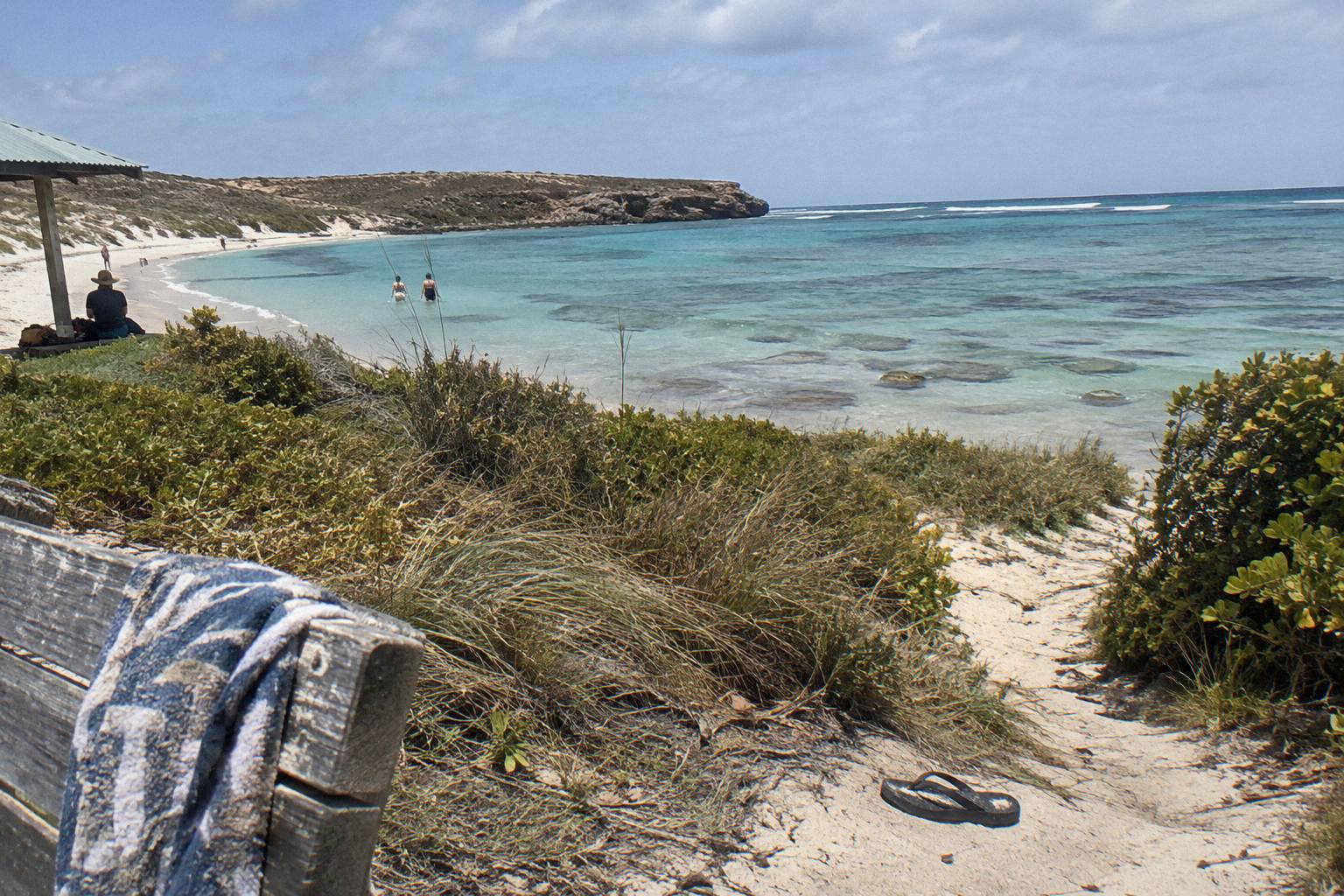
Turquoise Bay is a beach snorkel inside Cape Range National Park, about 1,310 km by road from Perth, with entry at AU$17 per vehicle. DBCA warns that dangerous currents can occur, directs stronger swimmers to the Drift Loop and inexperienced swimmers away from strong currents, and recommends licensed tour operators.
Turquoise Bay is one of the few places on the planet where you can walk off a beach straight onto a fringing coral reef, and it sits roughly 1,310 km by road from Perth, at the far end of the Ningaloo Coast World Heritage Area. The bay is inside Cape Range National Park, the reef is inside Ningaloo Marine Park, and the two protected areas sit so close together that a single fin kick carries you from one to the other. That closeness is exactly why the rules matter. The Department of Biodiversity, Conservation and Attractions (DBCA), which manages the park, is unusually direct about the hazard here: dangerous currents can occur at Turquoise Bay, and the choice of where you enter the water is the main thing that separates a gentle drift over coral from a swim you should not attempt. The official guidance matters, along with the two parking loops, the entry fees, the access picture after the March 2026 cyclone, and which multi-day tours from Perth actually deliver you to this stretch of coast.
For most readers this bay is not a destination in itself but the high point of a long journey north, reached after days of driving or riding up the Coral Coast Highway. That framing shapes everything below. A snorkeller staying in Exmouth has one set of decisions, around which loop to use and how to read the water. A snorkeller booked on a multi-day tour from Perth has another, around which itinerary actually leaves time on the Ningaloo Coast and what the booking page does and does not include. Both sets of decisions are covered, and both rest on the same official sources.
Why Turquoise Bay Draws Snorkellers To Cape Range
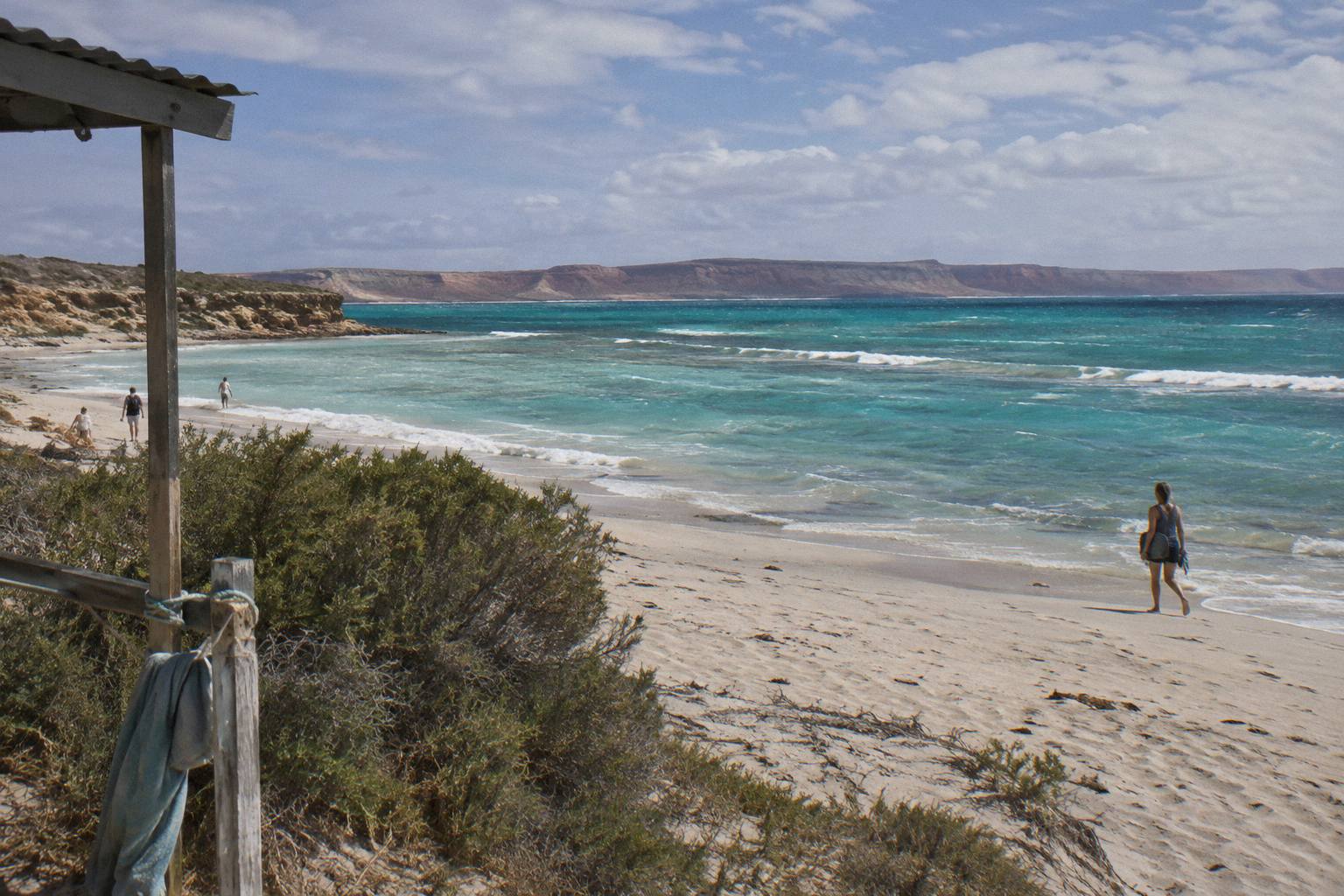
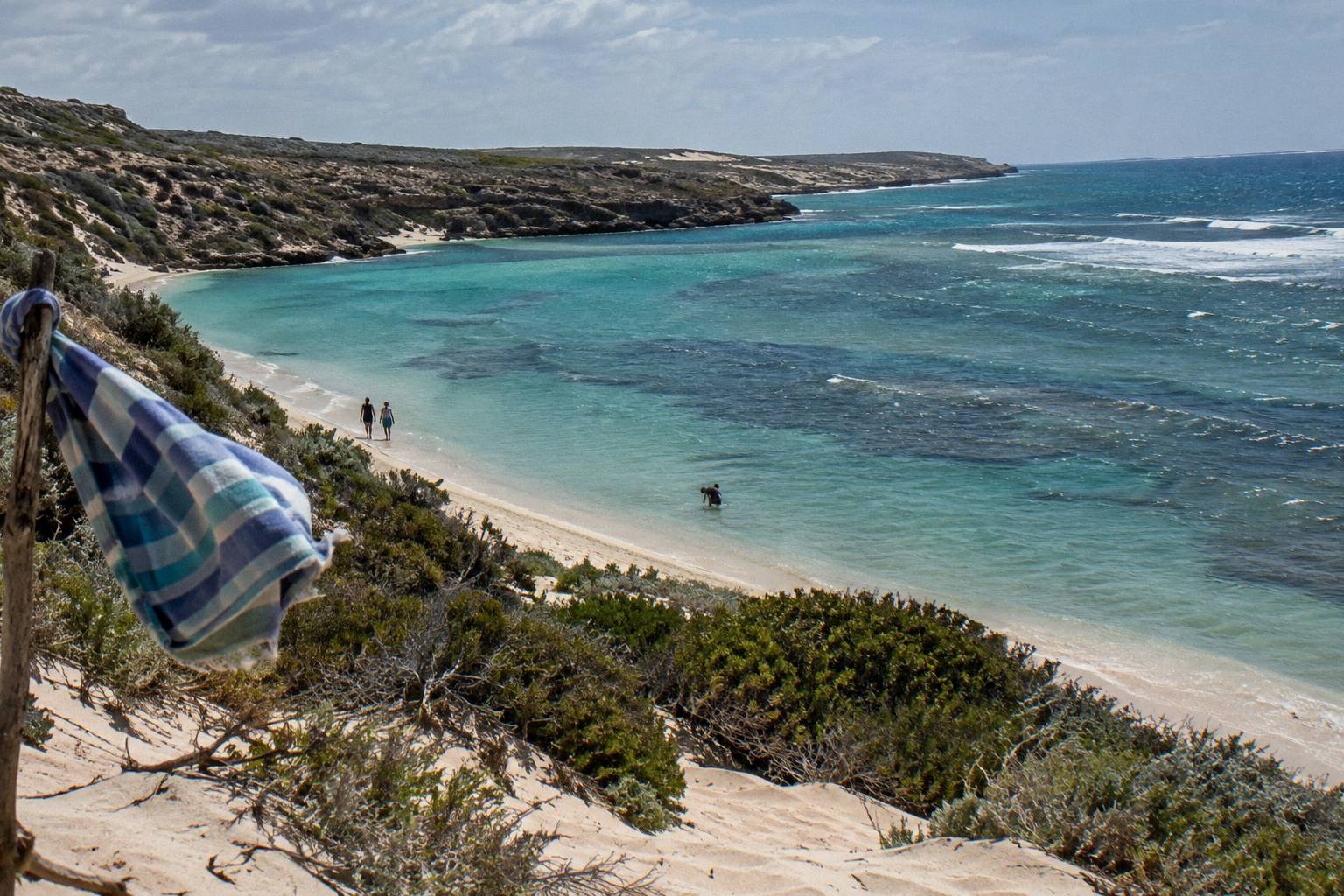
Turquoise Bay is a shore-access snorkel on the eastern side of Cape Range National Park, where Ningaloo Reef grows close enough to the beach that coral sits metres from the sand, and DBCA treats it as a managed swim site with specific current warnings rather than an unsupervised beach. The park itself is dry, rocky range country, and the Ningaloo Coast World Heritage Area wraps around it. Ningaloo Marine Park charges no park entry fee, so the water you swim in is free to enter; the fee you pay is for the national park land you drive through and park on. That split confuses plenty of first-time visitors, and it is worth having clear before you arrive at the gate.
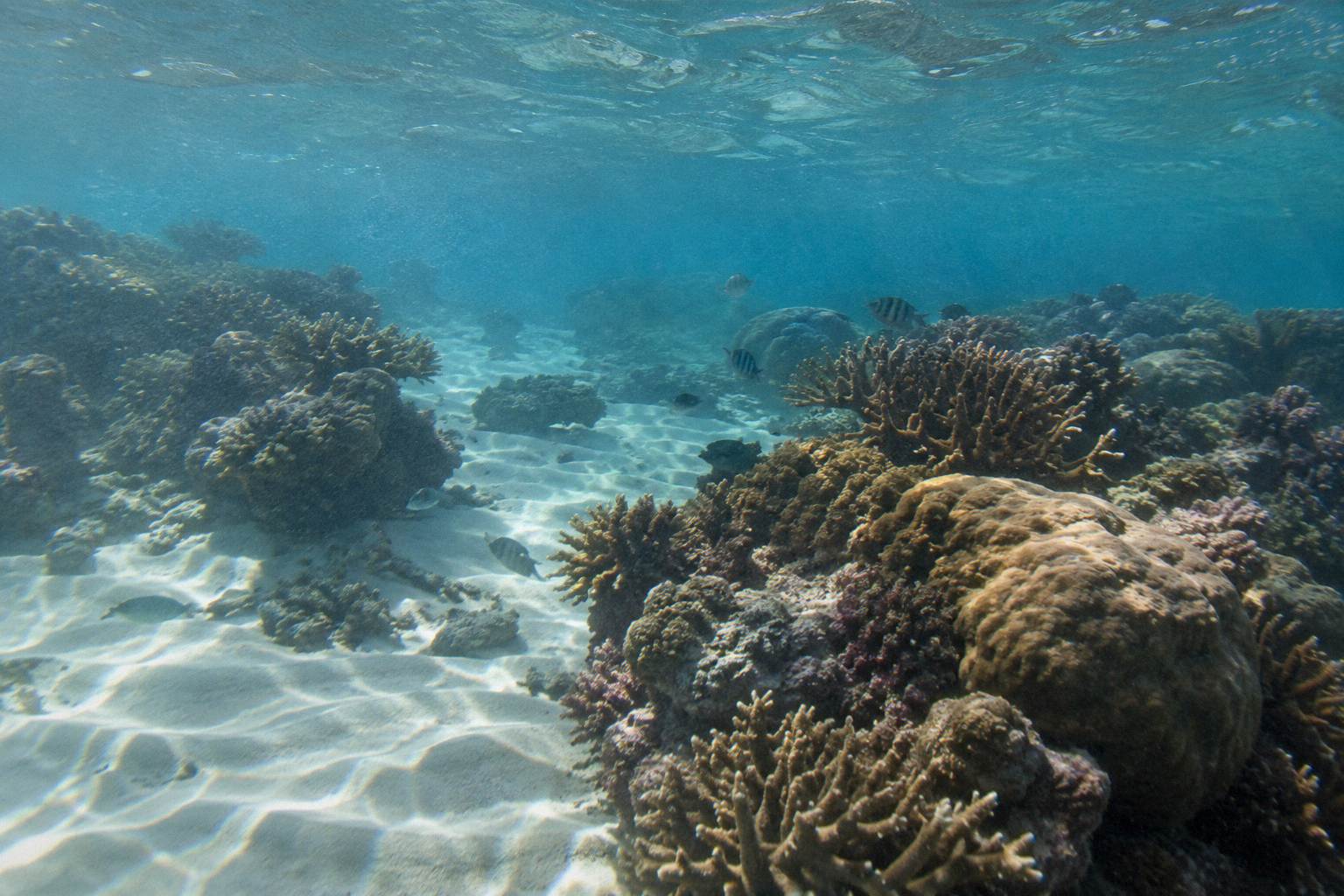
The reason the bay earns its reputation is the reef's proximity. Ningaloo is a fringing reef, which means it grows parallel to the shore rather than offshore on a shelf, and at Turquoise Bay the lagoon between beach and reef is narrow enough to snorkel across without a boat. Coral Bay, further south and also inside Ningaloo Marine Park, offers a similar shore entry with a kayak trail of four buoy sites sitting 300 m to 1.8 km from shore, but Turquoise Bay is the Exmouth end of that same reef system, reached through Cape Range rather than along the beach. Which base suits you is a genuine question, and the comparison of Exmouth versus Coral Bay for a Ningaloo trip covers it in detail.
What DBCA asks of visitors is simple to state and easy to underestimate. The official page for the bay leads with its hazard, not its beauty, and every rule that follows comes from that page and the park pages around it. The region also carries more than 200 licensed commercial tour operators across all commercial licences on the coast, a DBCA figure that covers every kind of operation, not just snorkelling, which is one reason the advice to use a licensed operator is repeated so often in the official wording.
Getting there is its own undertaking. The drive from Perth to Exmouth is about 1,250 km, with Turquoise Bay a further stretch beyond the town through the national park, and the non-stop driving time to Exmouth alone is around 13 hours before any stops. Nobody swims at Turquoise Bay by accident; you plan your way to it. The rough distances to the landmark stops along the way, from the Pinnacles at about 190 km to Coral Bay at about 1,125 km, are set out in the guide to the Perth to Exmouth drive, which is the companion piece to read if you are still choosing between driving and flying.
Bay Loop Or Drift Loop: Which Entry Should You Use?
There are two ways into the water at Turquoise Bay, and DBCA assigns each a distinct role: the Bay Loop parking area gives the best snorkelling well away from the potentially strong currents found at the sandy point, while the Drift Loop is the entry where a natural current flows from south to north and carries snorkellers along the bay. Choosing between them is the single most consequential decision you make at this beach, and it is a swimming-ability decision before it is a scenery decision.
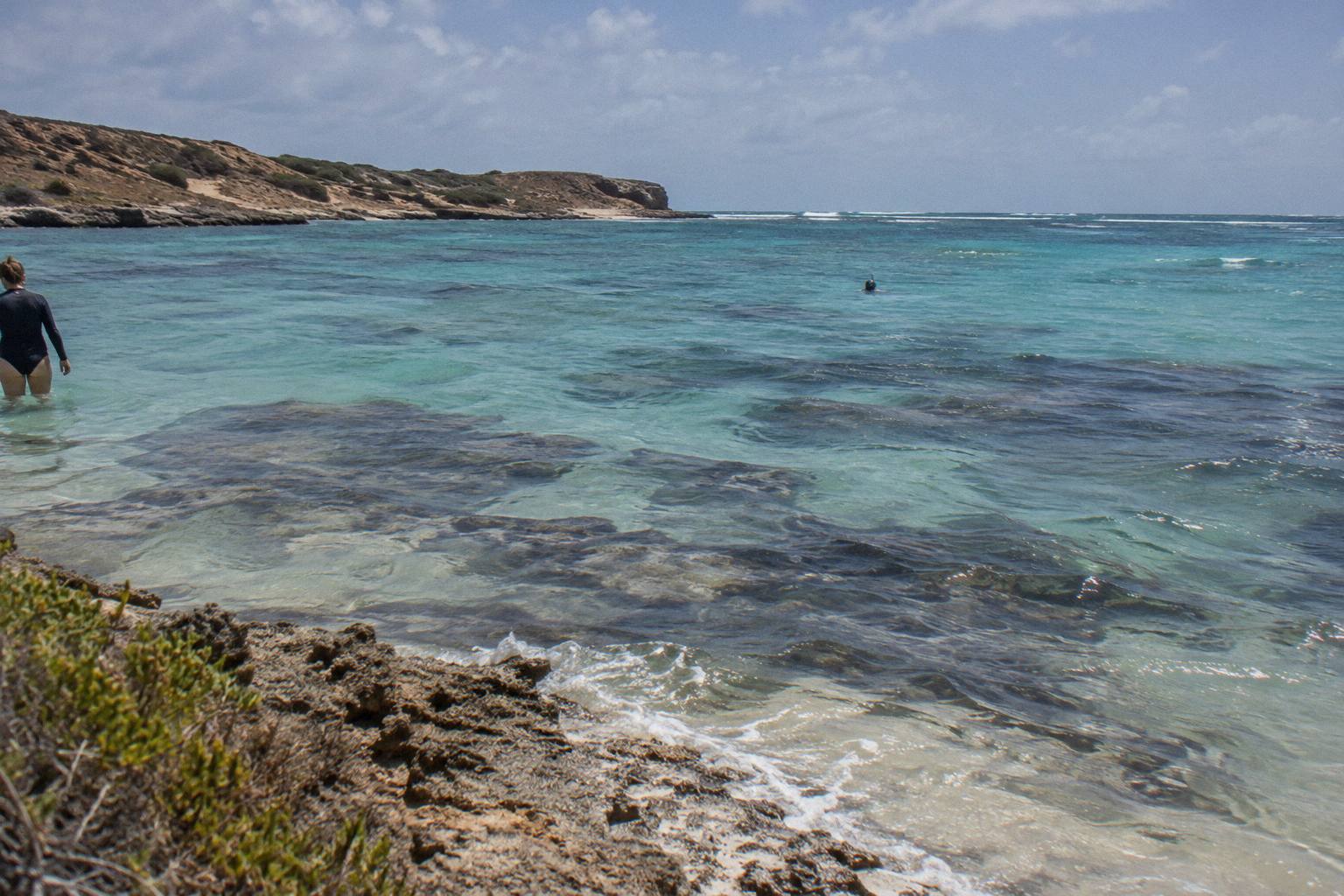
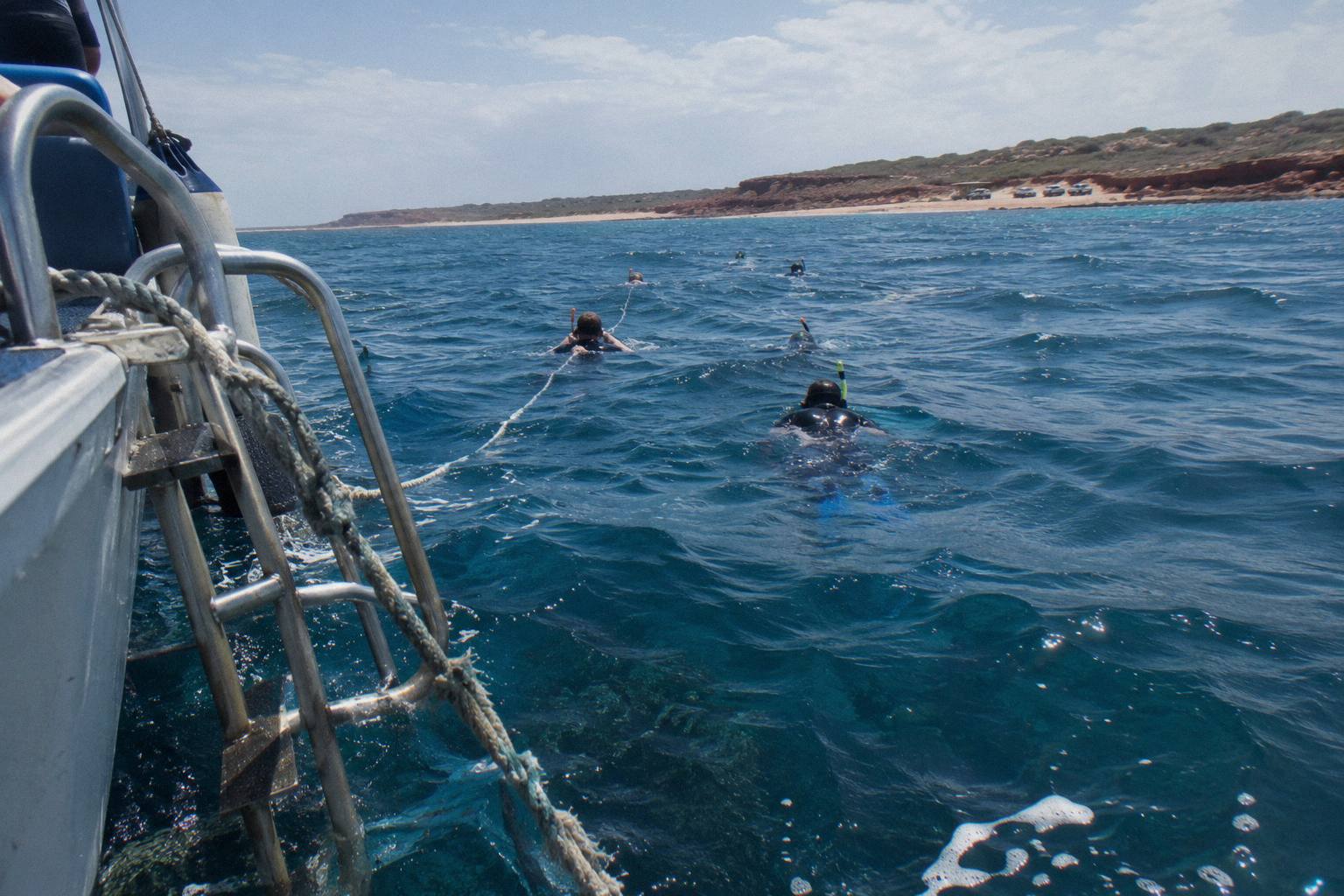
The Bay Loop, in the official wording, is where the best snorkelling is found, precisely because it keeps you away from the sandy point where currents concentrate. You enter from the beach, swim out over the lagoon, and return to roughly where you started. The Drift Loop works differently: DBCA describes a natural current that flows from south to north, so snorkellers enter at one end, let the water carry them along the reef, and exit further up the beach. It is a point-to-point swim, which means you finish away from your entry point and walk back along the sand.
| Entry | Official description | Who it suits | Direction of swim |
|---|---|---|---|
| Bay Loop | Best snorkelling, well away from the potentially strong currents found at the sandy point | Snorkellers who want to exit where they entered | Out and back over the lagoon |
| Drift Loop | A natural current flows from south to north | Confident swimmers happy to exit up the beach | South to north point-to-point |
Neither loop is described as safe for everyone. The page's blunt sentence, that inexperienced swimmers should not swim or snorkel in strong currents and should seek the services of a licensed tour operator, applies to the whole bay, not just one entry. No tide table exists for Turquoise Bay in the official guidance, and no fixed "best hour" is stated anywhere: conditions on the day decide, and the advice is to read the water, not the clock. If you are building the whole trip around reef time, the wider question of how many days a Ningaloo trip needs is worth settling before you commit to an itinerary.
A practical way to think about the two loops is by consequence. At the Bay Loop, the worst realistic outcome of a misjudged swim is that you surface early and walk back up the beach. At the Drift Loop, misjudging the current means swimming against it to reach your exit point, which is precisely the effort the loop is designed to remove. Neither statement appears in the official wording, but both follow directly from the geometry the official wording describes: one entry is a round trip, the other is a one-way ride with a walk home. Snorkellers who have never done a drift snorkel before are the group the licensed-operator recommendation is really aimed at.
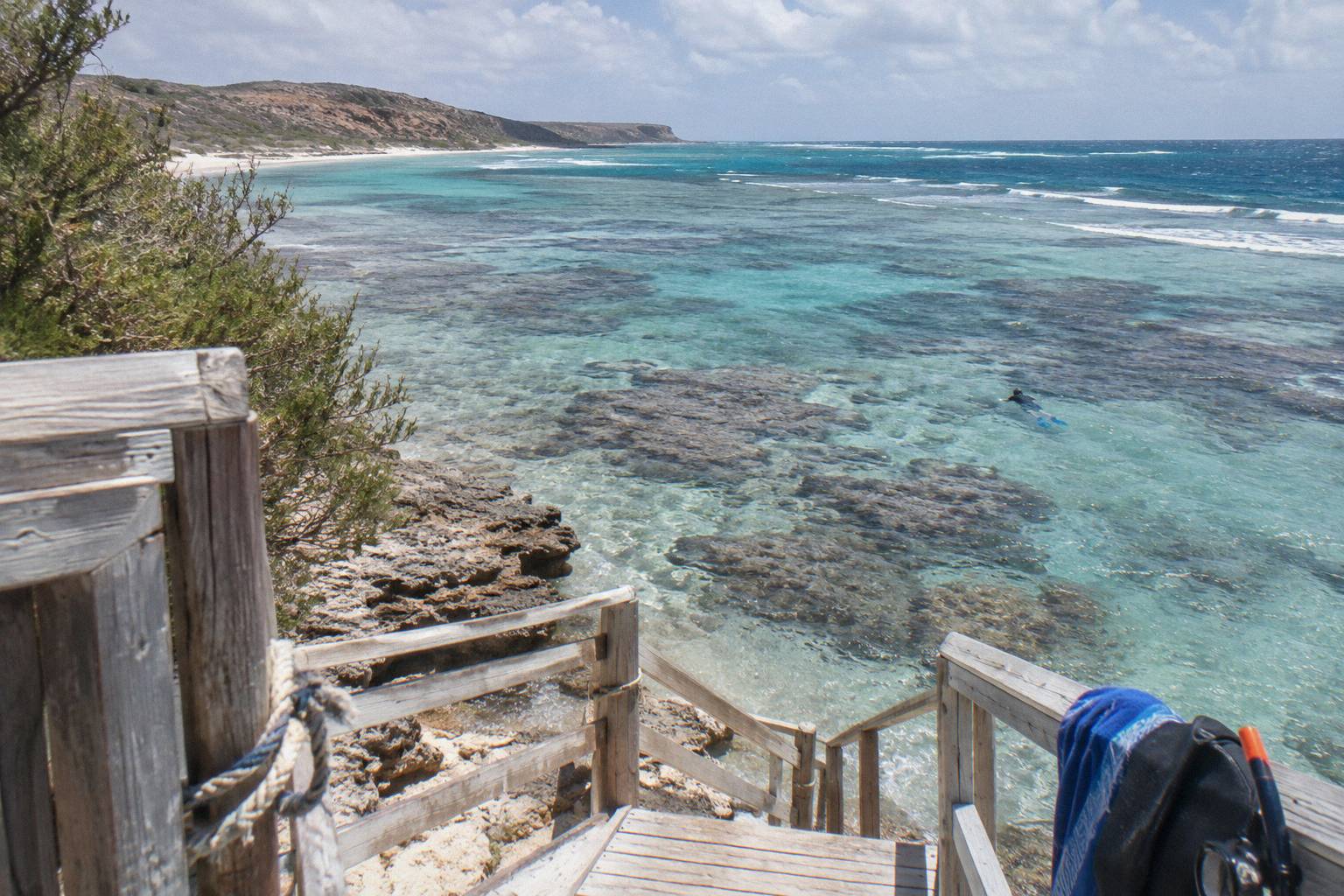
For travellers arriving on a multi-day tour rather than self-driving, the Exmouth stage of the trip is where a Turquoise Bay snorkel fits, and several Perth-departure options finish right there.
The Current Rules At Turquoise Bay, In DBCA's Words
DBCA's guidance on currents at Turquoise Bay can be reduced to four points: dangerous currents can occur, the strongest currents are found at the sandy point, the Bay Loop parking area keeps you well away from them, and inexperienced swimmers should not swim or snorkel in strong currents but should seek the services of a licensed tour operator. Each of those points is a direct statement from the official page for the bay, and none of them is softened in the source. The full wording is on the DBCA Turquoise Bay page, and it is short enough to read on your phone in the car park before you get in.
The distinction between the two loops, covered above, is the practical application of those rules. What the official wording adds is the recommendation for weaker or less experienced swimmers: rather than a scaled-down version of the drift, the guidance points to licensed operators. That is consistent with the wider licensing picture at Ningaloo, where commercial tours of all kinds, not only snorkelling, are licensed by DBCA. The region carries more than 200 licensed commercial tour operators across all commercial licences, and the specific water-safety rules for the whale shark swim industry are a separate, stricter regime; a beach snorkel at Turquoise Bay is governed by the bay's own page.
It is worth being clear about what the current warning is not. It is not a seasonal closure, an occasional advisory or a flag system like a patrolled surf beach. The page states plainly that dangerous currents can occur, full stop, and builds its entire entry guidance around that standing fact. The mitigation the page offers is spatial, choose the Bay Loop parking area rather than the sandy point, and personal, match the entry to your swimming ability. There is no third mitigation, no lifeguard, no posted schedule, and reading the official wording before arrival is the closest thing to a briefing you will get at an unpatrolled beach.
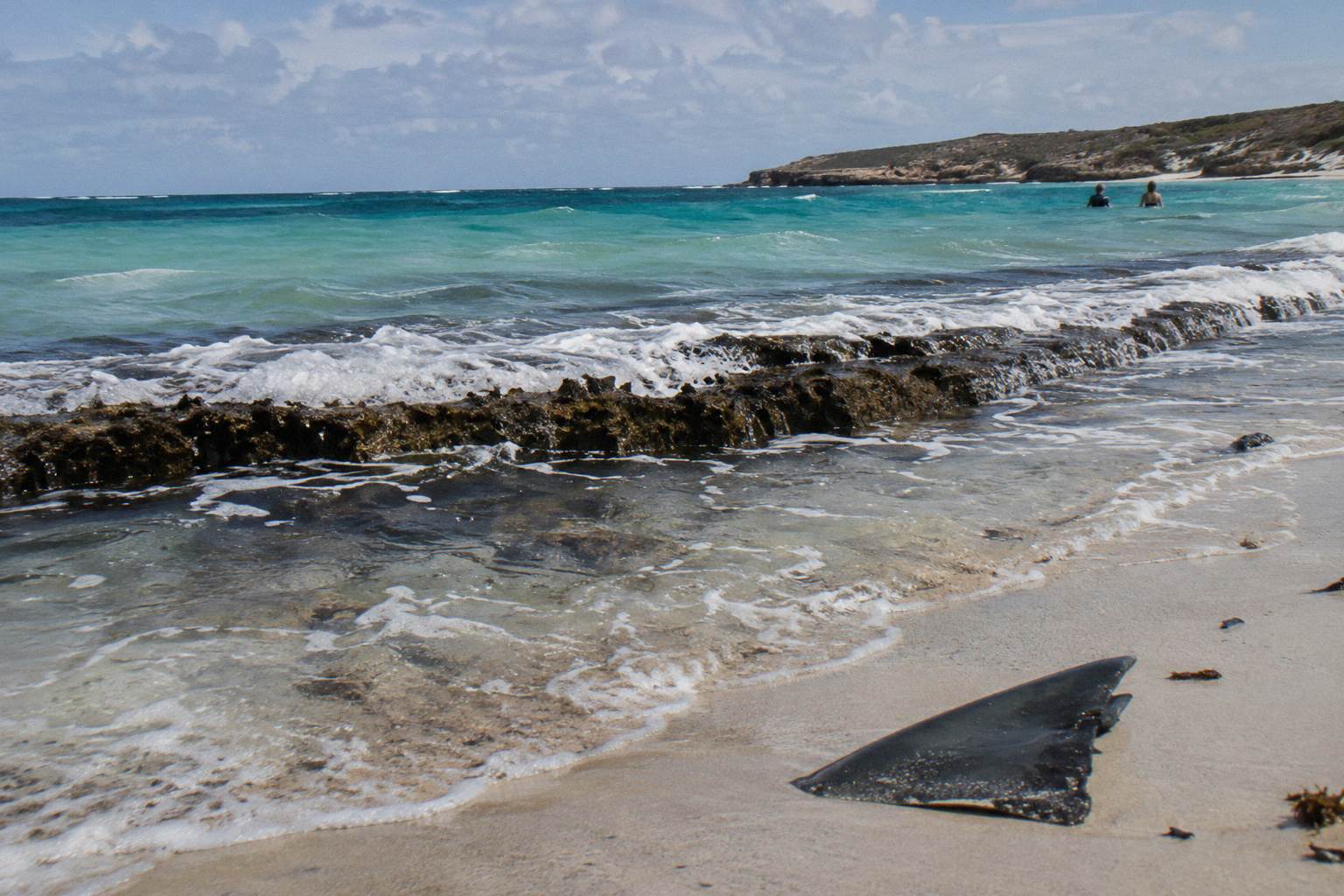
Two further rules from the same page are easy to miss. Dogs are not permitted, which matters if you are road-tripping with a pet. And no tide times are published for the bay in the official guidance, so any claim of a guaranteed calm window should be treated with caution: the stated advice is about where you swim and how strong a swimmer you are, not about when. If your trip is Exmouth-based, the practical planning question of whether you need a car in Exmouth after the tour interacts directly with this one, since Turquoise Bay is reached by road through the national park.
Do You Have To Pay To Snorkel At Turquoise Bay?
Yes, but the fee is a national park vehicle entry fee, not a swim fee: Cape Range National Park charges AU$17 per vehicle (12 or fewer occupants), AU$10 concession or AU$10 for a motorcycle, while Ningaloo Marine Park itself, where the reef and the water sit, charges no entry fee at all. The figures come from the DBCA Cape Range National Park page and the entry-fee schedule, and the AU$17 is per vehicle, never per person. Walk-in and cycle-in visitors are not charged.
A valid park pass covers Cape Range entry. DBCA's pass system includes a Holiday Pass in 4-week, 14-day and 5-day versions plus an Annual All Parks Pass, all covering vehicles up to 12 legally seated occupants, with a discount for RAC WA members. For current pass prices, check the WA Parks shop. One useful quirk of the standard entry fee is that it covers more than one park on the same day, so a morning in Nambung and an afternoon elsewhere would be one payment, though Cape Range is a long way from the next fee-charging park.
For a traveller spending a week or more in Western Australia's parks, the pass arithmetic matters more than the single entry fee. A Holiday Pass of any length covers the same vehicle class as the day fee, so the decision comes down to how many fee-charging parks you will enter and at what point the pass pays for itself; make that comparison against the current price on the WA Parks shop at the time you book. RAC WA members should check the discount before buying at full price.
| Fee type | Amount | Notes |
|---|---|---|
| Standard vehicle, 12 or fewer occupants | AU$17.00 | Per vehicle, per the DBCA entry schedule |
| Concession vehicle | AU$10.00 | Per vehicle |
| Motorcycle | AU$10.00 | Per motorcycle |
| Large vehicle, more than 12 occupants | AU$8.00 per person | Concession AU$3.50 per person |
| Ningaloo Marine Park entry | No fee | The reef and the water carry no entry charge |
| Walk or cycle in | Not charged | Applies to standard entry fees |
Two neighbouring sites inside the same World Heritage Area follow different rules and are worth separating out. Charles Knife Canyon and Shothole Canyon, also on Cape Range, are drives where park entry fees do not apply. Sanctuary zones exist inside Ningaloo Marine Park, including at Lakeside, Tantabiddi, Bundegi and Osprey, and fishing is restricted in sanctuary zones, so anyone combining a snorkel with a fishing line should check the zone map before casting. The full fee schedule is on the DBCA park-entry page.
One fee trap deserves its own sentence, because it catches visitors coming down from Shark Bay. Monkey Mia Conservation Park, about 850 km from Perth and a stop on many of the multi-day itineraries named further down, runs its own per-person fee schedule, and park passes and entry bought at other parks are not valid there. So a pass that covers Cape Range will not cover Monkey Mia, and vice versa; budget for both if your trip includes the full coast. The details are in the guide to Monkey Mia tours from Perth.
Which Multi-Day Tours From Perth Reach The Ningaloo Coast?
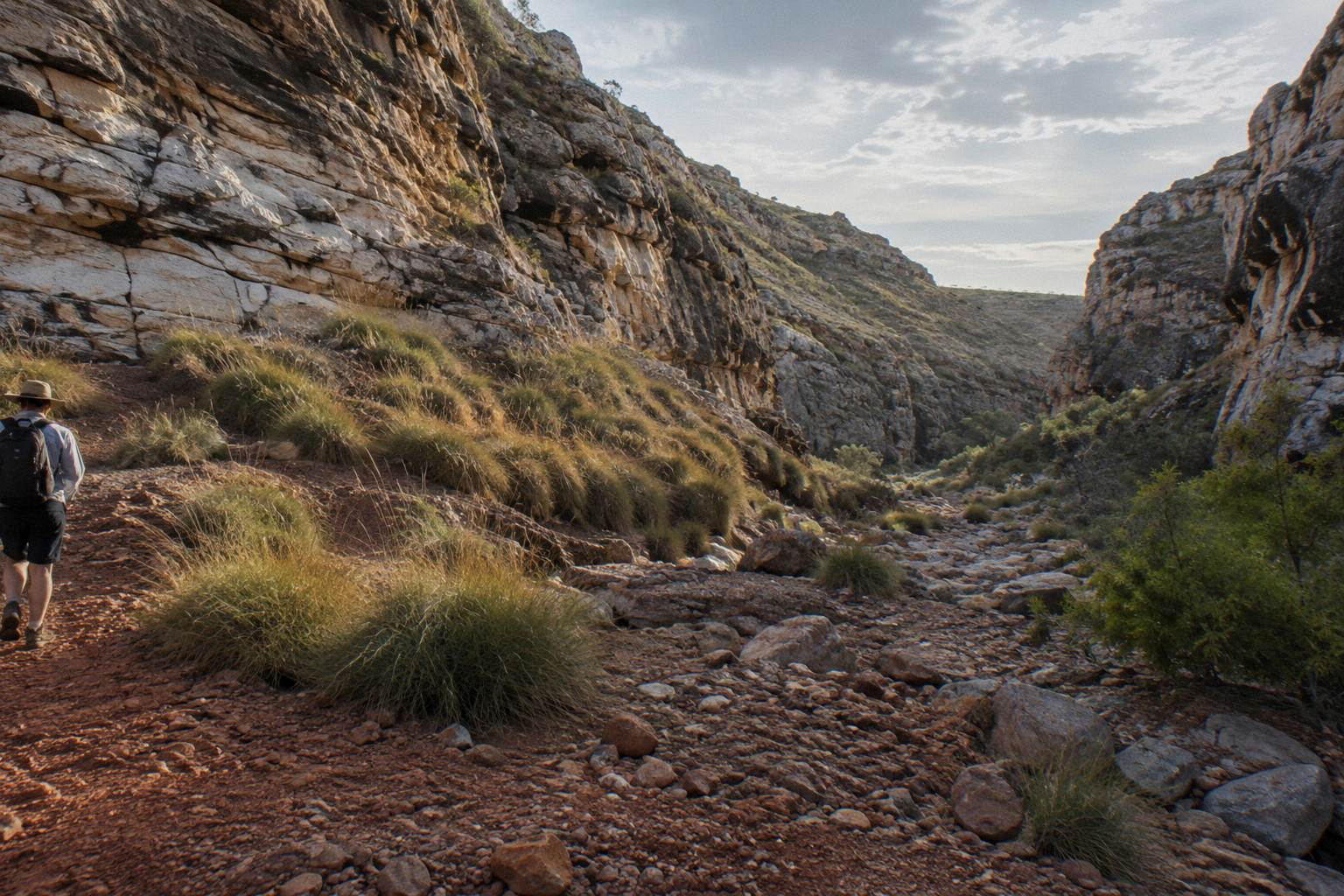
Every one of the 11 multi-day tours in the lineup names Exmouth or Ningaloo among its stops, so in principle any of them can put you within reach of Cape Range National Park and Turquoise Bay, though inclusions vary: several tours cover national park entry fees, so confirm exactly what your chosen tour includes when booking. The tours differ mainly in direction, duration and price: one-way trips finish in Exmouth (or Broome), return loops bring you back to Perth, and the from-prices run from US$1,120 to US$2,899 per person.
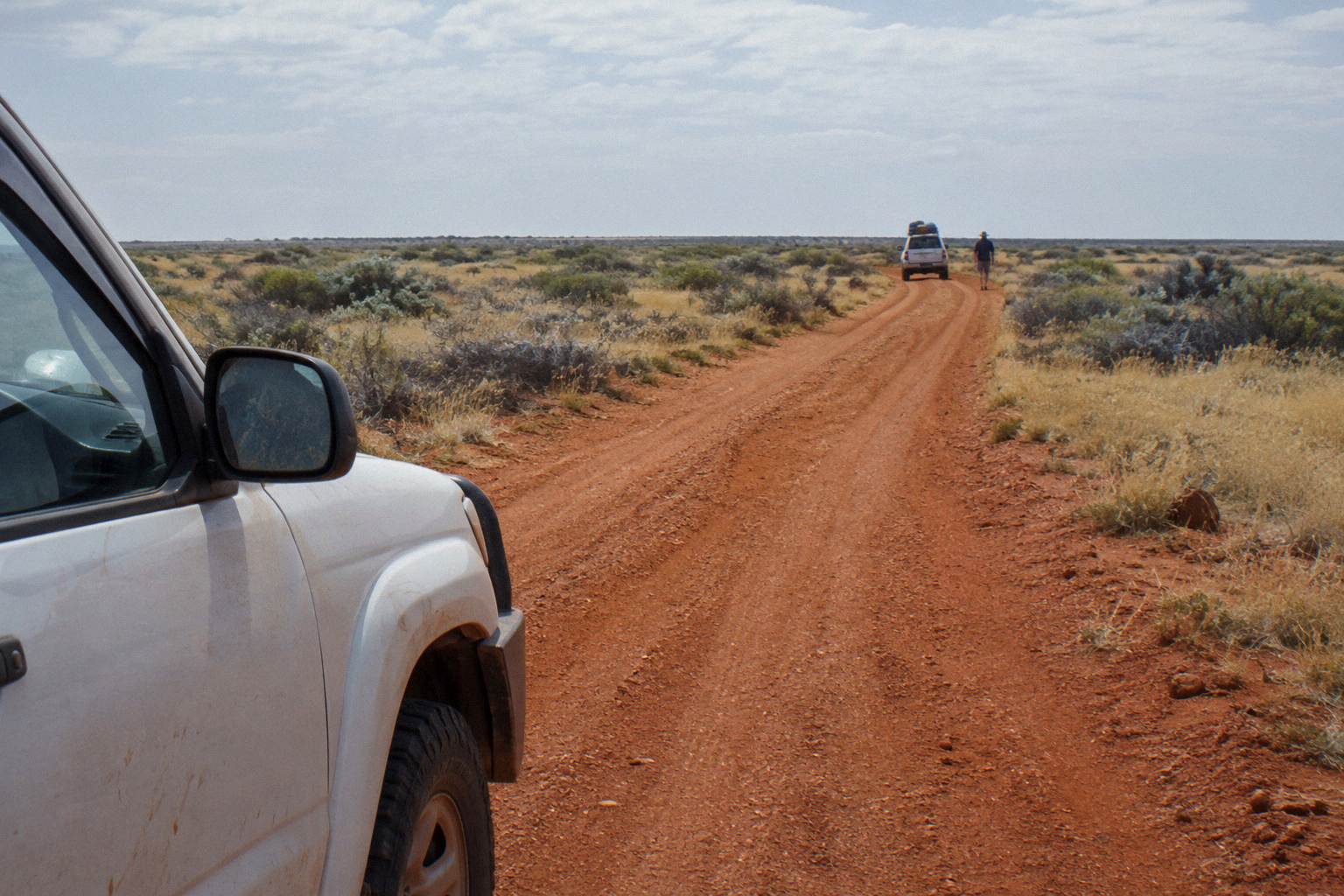
The 6-day one-way Coral Coaster is the tour this site features for Turquoise Bay readers: it runs Perth to Exmouth one way, from US$1,326 per person, with stops named on the booking page at the Pinnacles, Kalbarri, Shark Bay and Monkey Mia, Coral Bay and Exmouth and Ningaloo, and it is rated 4.8 across 55 reviews. Finishing in Exmouth puts you on the doorstep of Cape Range for an extra day or two of self-guided snorkelling, which suits travellers whose main goal is reef time rather than a loop back to Perth. The tour is a one-way Perth to Exmouth journey with no return leg, so factor a flight or coach into your plan.
| Tour | Direction | Days | From price (per person) | Stops named on the booking page |
|---|---|---|---|---|
| 6-day Perth to Exmouth with Monkey Mia | One way to Exmouth | 6 | from US$1,120 | Pinnacles; Kalbarri; Shark Bay/Monkey Mia; Coral Bay; Exmouth/Ningaloo |
| 6-day Perth to Exmouth via the Pinnacles and Shark Bay | One way to Exmouth | 6 | from US$1,142 | Pinnacles; Shark Bay; Ningaloo/Exmouth |
| 10-day guided north tour (Perth to Exmouth) | One way to Exmouth | 10 | from US$1,215 | Pinnacles; Coral Bay; Exmouth/Ningaloo |
| 7-day Kalbarri coastal adventure (return loop) | Return to Perth | 7 | from US$1,205 | Pinnacles; Kalbarri; Shark Bay/Monkey Mia; Ningaloo/Exmouth |
| 7-day Exmouth Explorer (return to Perth) | Return to Perth | 7 | from US$1,385 | Pinnacles; Kalbarri; Shark Bay/Monkey Mia; Coral Bay; Exmouth/Ningaloo |
| 8-day small-group boutique tour (Perth to Exmouth) | One way to Exmouth | 8 | from US$2,899 | Pinnacles; Hutt Lagoon; Kalbarri; Monkey Mia; Coral Bay; Exmouth/Ningaloo |
The table tells a clear story about value and time. The two cheapest one-way options, at from US$1,120 and from US$1,142, both finish in Exmouth in six days and both name Ningaloo or Exmouth as a stop, which is the minimum viable shape for a Turquoise Bay-focused trip. The 10-day guided north tour costs less from-price than the 7-day Exmouth Explorer, from US$1,215 against from US$1,385, because the 10-day trip is one way while the Explorer loops back to Perth; direction, not day count, drives much of the price difference across this lineup. The 8-day small-group boutique tour at from US$2,899 is the premium end, adding Hutt Lagoon to the standard stop list.
For a fuller walk-through of the one-way options, the guide to one-way tours from Perth to Exmouth compares them directly, and Perth To Exmouth Tour covers the route as a whole. Only two tours in the lineup show a rating, the Coral Coaster and the 7-day Exmouth Explorer at 4.9 across 345 reviews; the rest show none, which says nothing about quality either way.
Getting home from a one-way tour is straightforward to plan once the tour finishes in Exmouth. Qantas flies direct between Perth and Learmonth (Exmouth) Airport daily, a flight of just under 2 hours, and from the airport it is a 25-minute drive north to Exmouth. Coach services also connect Perth and Exmouth through Integrity Tours, with TransWA running the Perth to Geraldton leg; check current fares and journey times with each operator when booking. A return-loop tour removes that planning altogether, at the cost of spending some of your days retracing the corridor south.
Cyclone Narelle And Checking Access Before You Go
Severe Tropical Cyclone Narelle reached Category 5 strength and crossed the coast south of Coral Bay in March 2026, and in April 2026 DBCA reported that Cape Range and Nyinggulu campgrounds had reopened on 27 April with exceptions, while campgrounds in Nyinggulara National Park needed complete rebuilding with no reopening date. Those April statements were true on their April date, and no claim about what is open or closed now belongs in print. The north-west coast between Broome and Exmouth is described by the Bureau of Meteorology as Australia's most cyclone-prone area, and the official cyclone season runs from 1 November to 30 April, though cyclones can occur outside those months.
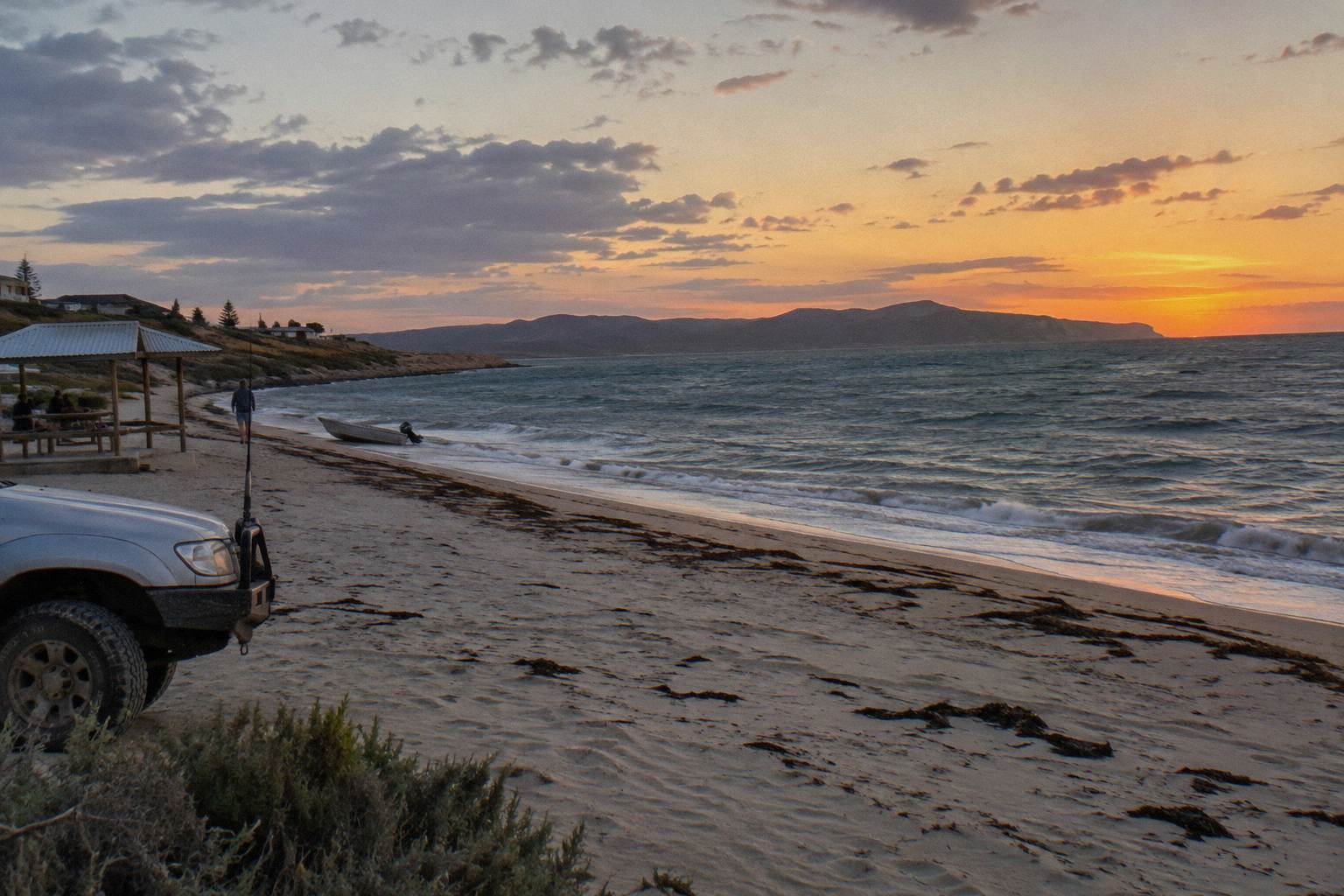
For a Turquoise Bay snorkeller, the practical takeaway is a two-minute check before you travel. DBCA maintains live park alerts, and the current state of any Cape Range road, site or facility is on the DBCA alerts page. Pair that with the booking page of any tour you have joined, since operators carry their own access updates. The April 2026 DBCA statement also said the Ningaloo Coast and Exmouth region was open for visitors, which is a statement about that moment, not a standing guarantee.
This is the one part of Ningaloo planning where past-tense facts and present-tense decisions collide. A beach whose access road was cleared in April may have a different status by the time you arrive, and the reverse. Treat the reopening news as history, the alerts page as the source of truth, and your own booking date as the thing that matters. It is also the reason a tour has value here beyond the driving: if access changes mid-trip, the operator adjusts the route, while a self-drive itinerary built around one specific beach has no such flex written into it anywhere in the official guidance.
Common Mistakes When Planning A Turquoise Bay Snorkel
The mistakes that trip people up are entering at the sandy point instead of the Bay Loop, treating the Drift Loop as an out-and-back swim, assuming park entry is per person, expecting a published tide table that does not exist, and skipping the DBCA alerts check before driving out to Cape Range. Each of these has an official answer, and none of them requires guesswork once you know where to look.
The first mistake is the most serious. The sandy point is where the potentially strong currents sit, and the Bay Loop parking area exists specifically to keep snorkellers well away from it. Swimmers who park at the Drift Loop and then swim back against the natural south-to-north current are working against the one force the official page names. The drift is a one-way ride: enter south, exit north, walk back on the sand.
The second cluster is administrative. Paying AU$17 per person instead of per vehicle overstates the cost for a car of four, and assuming Ningaloo Marine Park charges entry misses that the water is free and the land is not. Expecting a tide table wastes planning time, because none is published for the bay in the official guidance; conditions on the day govern. And assuming a whale shark swim is bundled into a multi-day tour is not supported anywhere: whale shark swims are listed as optional activities at extra cost, while several tours include park entry, from Ningaloo Reef Marine Park access to all national park entry fees on the 10-day Broome tours.
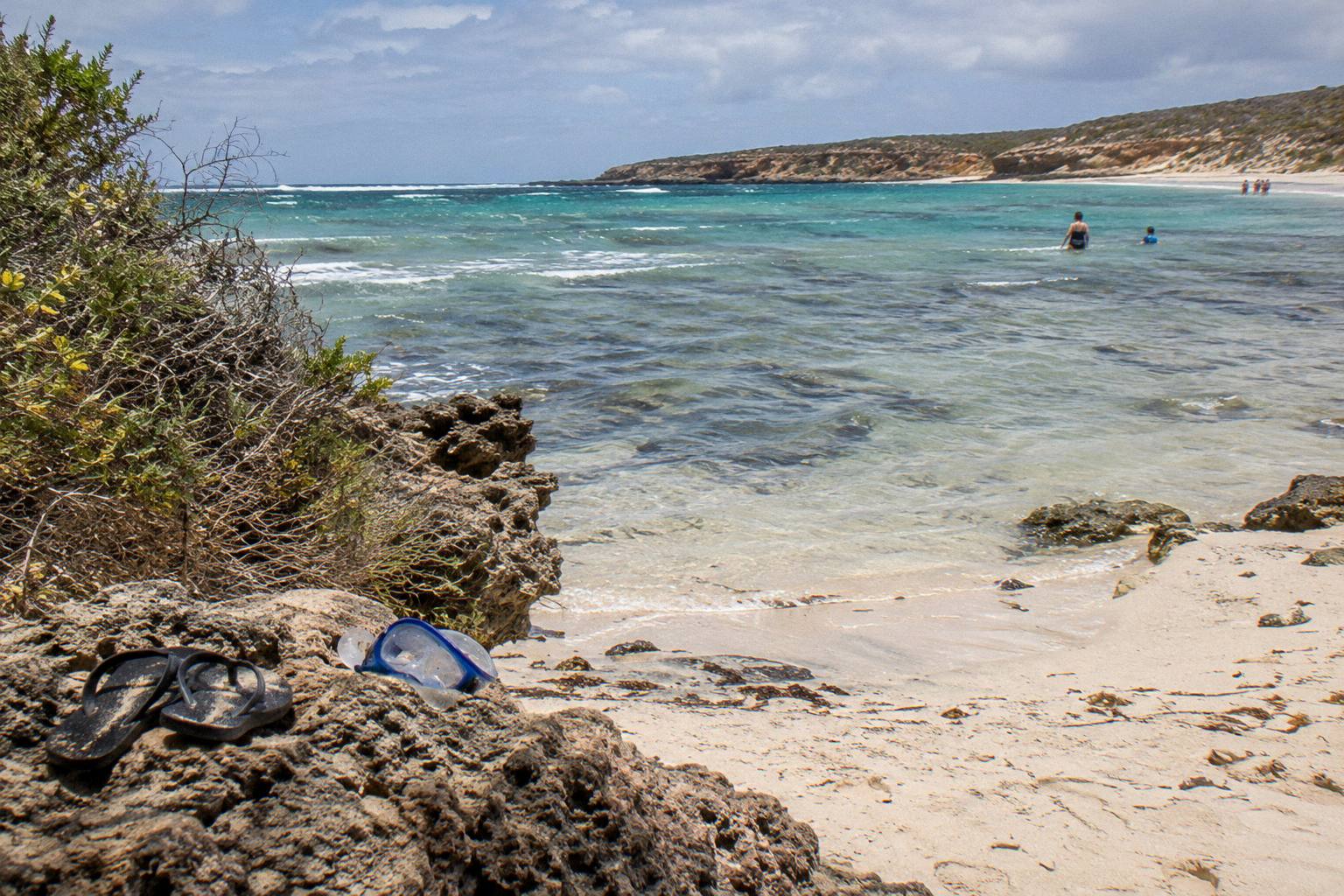
The last mistake is timing the trip without a fallback. If access to a particular site is affected on your dates, the surrounding region still offers Coral Bay inside the same marine park, the snorkelling around Exmouth itself, and the drives through Cape Range, none of which depend on one beach.
Common Questions About Turquoise Bay Snorkelling
Is It Safe To Snorkel At Turquoise Bay?
DBCA warns that dangerous currents can occur at Turquoise Bay. The official guidance says the Bay Loop parking area gives the best snorkelling well away from the potentially strong currents found at the sandy point, and that inexperienced swimmers should not swim or snorkel in strong currents but should seek the services of a licensed tour operator.
What Is The Difference Between The Bay Loop And The Drift Loop?
The Bay Loop is the out-and-back entry, placed well away from the strong currents at the sandy point. The Drift Loop uses a natural current that flows from south to north: you enter at one end, drift along the reef, and exit up the beach before walking back.
Do You Have To Pay Park Entry For Turquoise Bay?
Yes. Turquoise Bay is inside Cape Range National Park, which charges AU$17 per vehicle (12 or fewer occupants), AU$10 concession or AU$10 for a motorcycle. Ningaloo Marine Park, where the reef and water sit, charges no entry fee, and a valid park pass covers Cape Range entry.
Can You Snorkel At Turquoise Bay As A Beginner?
The official page says inexperienced swimmers should not swim or snorkel in strong currents and should seek the services of a licensed tour operator. The Bay Loop, away from the sandy point, is the entry the guidance points to for the best snorkelling away from the strongest currents.
Do Multi-Day Tours From Perth Stop At Turquoise Bay?
All 11 tours on the lineup name Exmouth or Ningaloo among their stops, and 8 of the 11 list Turquoise Bay itself; for beach time, park entry or snorkel stops, confirm what each itinerary includes when booking.
Is Turquoise Bay Open After Cyclone Narelle?
Severe Tropical Cyclone Narelle reached Category 5 strength and crossed the coast south of Coral Bay in March 2026. In April 2026 DBCA reported Cape Range campgrounds reopening with exceptions, but that statement was true on its April date only. Check the live DBCA alerts page and your booking page before you travel.