Best Time To Visit Exmouth For A Tour
Exmouth swings from a January mean maximum of 38.1 °C to a July mean maximum of 24.5 °C, and its wildlife windows each open in different months. Matching your tour departure to the month that suits your priorities is the single biggest planning decision.
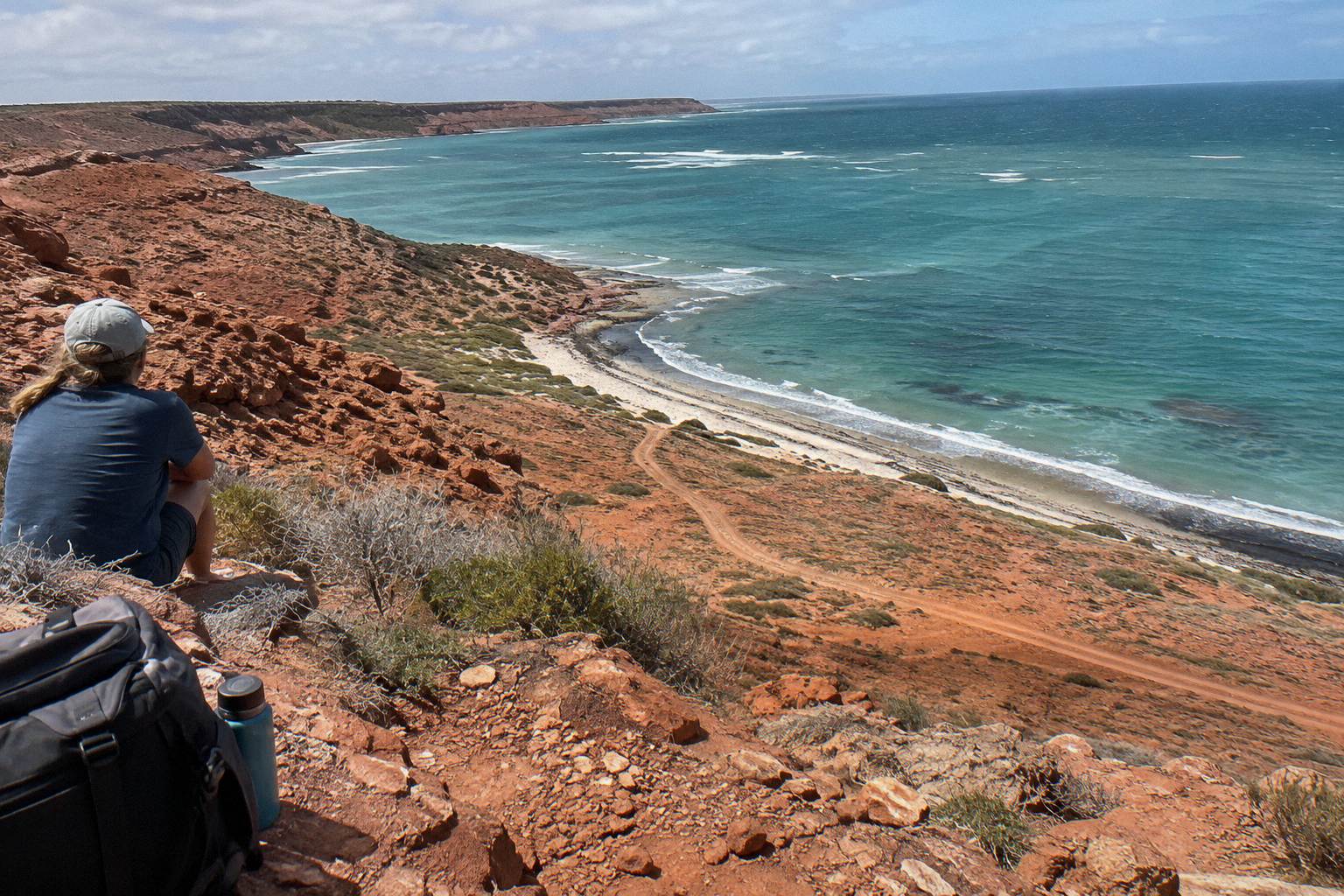
Short answer
Exmouth's mean maximum runs from 38.1 °C in January to 24.5 °C in July, and official cyclone season spans 1 November to 30 April. Whale sharks are typically seen March to July, with sightings often into August and later. For cooler weather plus whale sharks, May to July lines up best; humpbacks add June to November.
Exmouth sits at the hot end of Western Australia's Coral Coast, and the month you choose changes the trip more than almost any other decision. The Bureau of Meteorology's Learmonth Airport station records a January mean maximum of 38.1 °C and a July mean maximum of 24.5 °C, a wide spread across the year. Layer on an official cyclone season running 1 November to 30 April, a whale shark season the regulator describes as typically March to July, and three separate humpback windows, and the calendar becomes the planning tool.
The multi-day tours from the lineup run from the 6-day one-way Coral Coaster at from US$1,326 per person to the 10-day guided routes. The 6-day one-way Coral Coaster, rated 4.8 across 55 reviews, and the 7-day Exmouth Explorer (return to Perth), rated 4.9 across 345 reviews, are the two tours with a rating shown. Whether you time the trip around heat, cyclones or a whale shark swim, the month you pick sets what the tour can deliver.
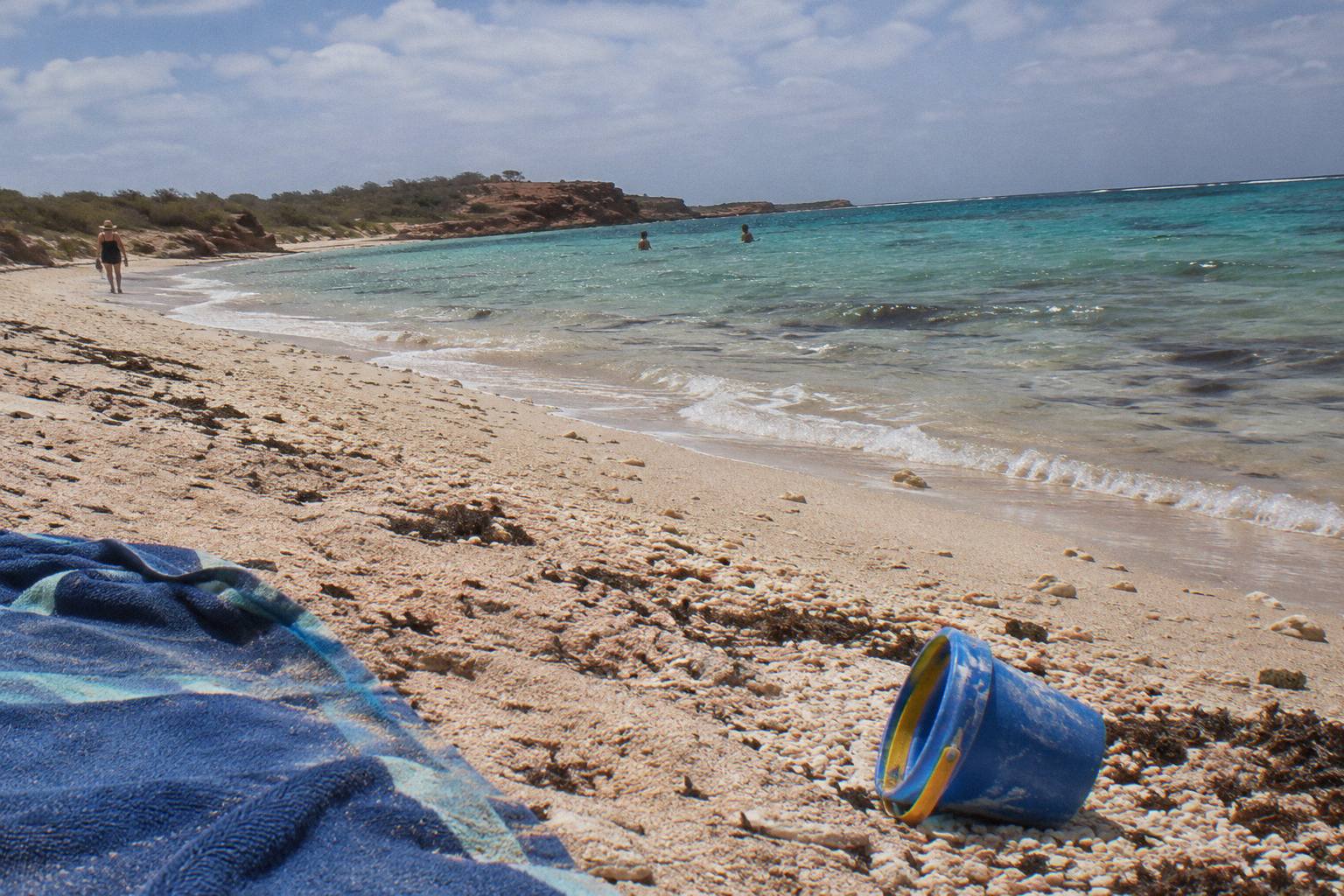
How Hot Does Exmouth Get Through The Year?
Exmouth's mean daily maximum peaks at 38.1 °C in January and bottoms at 24.5 °C in July, with overnight mean minimums of 13.2 °C in June and 11.4 °C in July, according to the Bureau of Meteorology's Learmonth Airport averages. The hot months run November through March, when every mean maximum sits at 34.6 °C or above. From May to October the daytime figures stay at 33 °C or below.
Those are long-term averages, not daily forecasts, and rainfall on the same station record is low and erratic from year to year, with an annual mean of 249.1 mm. The month-by-month picture below comes straight from the Learmonth Airport table. Read the rainfall column with the cyclone section later on, because the wettest months on the averages table, June at 42.9 mm, March at 42.5 mm and May at 40.8 mm, overlap the official cyclone season.
| Month | Mean Maximum (°C) | Mean Rainfall (mm) |
|---|---|---|
| January | 38.1 | 29.2 |
| February | 37.6 | 38.1 |
| March | 36.6 | 42.5 |
| April | 33.4 | 19.1 |
| May | 28.7 | 40.8 |
| June | 24.9 | 42.9 |
| July | 24.5 | 20.4 |
| August | 26.6 | 11.8 |
| September | 29.7 | 2.4 |
| October | 33.0 | 1.4 |
| November | 34.6 | 1.8 |
| December | 37.1 | 5.6 |
For a tour, the practical reading is simple. If heat shapes your choice, the coolest mean maximums of the year, 24.5 °C in July and 24.9 °C in June, sit inside the whale shark core season. If warm water and hotter air are fine with you, the September to November stretch brings mean maximums of 29.7 °C, 33.0 °C and 34.6 °C with the three driest months on the table, October at 1.4 mm, November at 1.8 mm and September at 2.4 mm. the Bureau of Meteorology climate table is the source for every figure above, and the same page shows how widely rainfall varies year to year.
What Does Cyclone Season Mean For Tour Dates?
Official cyclone season runs from 1 November to 30 April, and the Bureau of Meteorology describes the north-west coast between Broome and Exmouth as Australia's most cyclone-prone area, although cyclones can occur outside those months. Four of the five hottest months on the climate table, November through March, fall inside the season. Any tour booked in that window carries a real, if not certain, disruption risk.
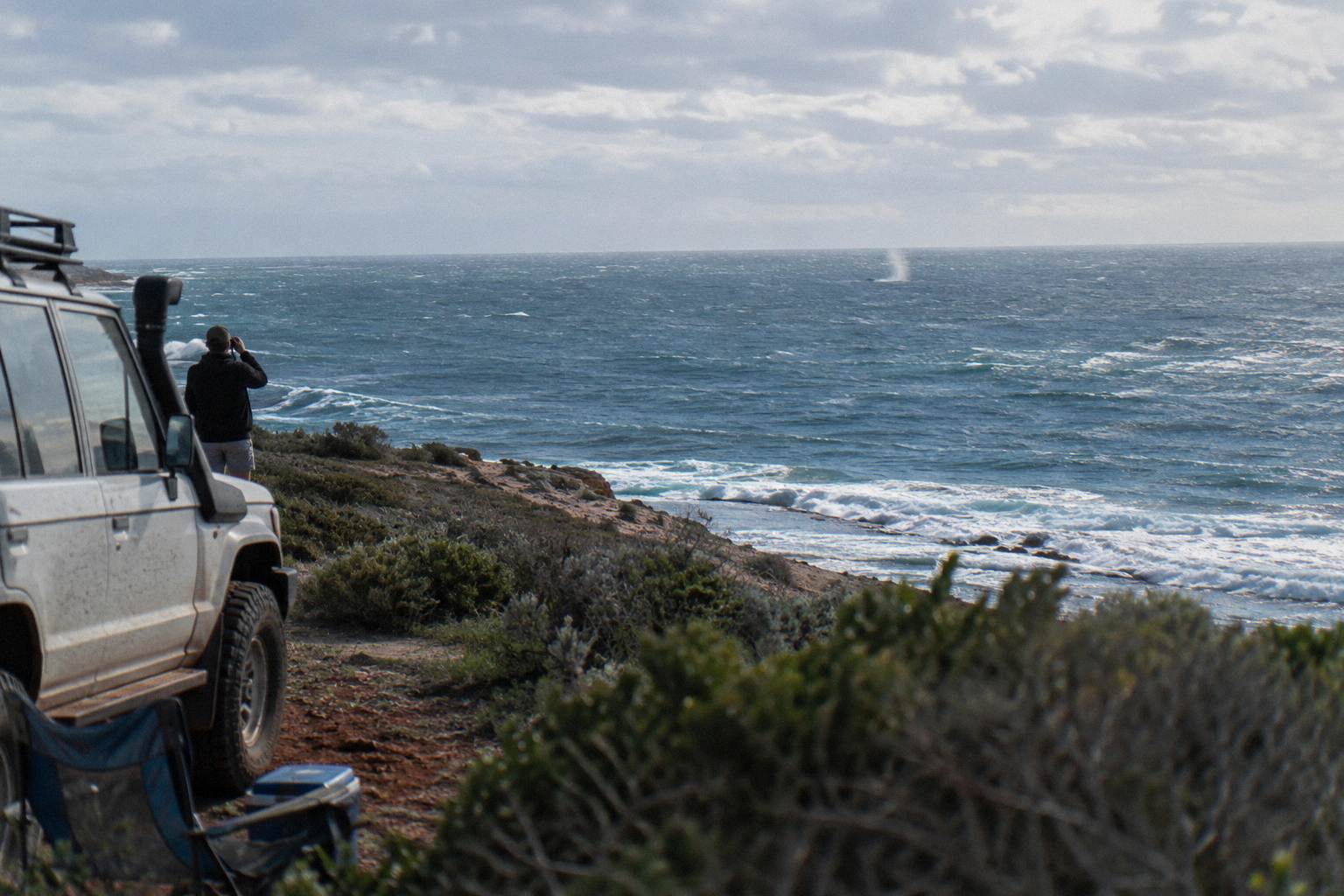
The 2026 season proved the point. Severe Tropical Cyclone Narelle reached Category 5 strength and crossed the coast south of Coral Bay in March 2026. In April 2026 DBCA said Cape Range and Nyinggulu campgrounds reopened on 27 April with exceptions, that campgrounds in Nyinggulara National Park (formerly Ningaloo) need complete rebuilding with no estimated reopening time, and that the Ningaloo Coast and Exmouth region were open for visitors. That was an April statement true on its April date; no claim about what is open or closed today follows from it.
Before booking any date between November and April, check the live situation on the DBCA alerts page and read the operator's own notes on the booking page. The general guidance from the Bureau of Meteorology severe weather page is that preparation matters most in exactly this stretch of coast and season.
For the 11 tours, free cancellation is 6 full days before start (50% refund 2-6 days) or 30 days before start, and two tours list no terms, so confirm the cancellation and any weather or cyclone rules when you book. What the calendar gives you is a clean way to manage the risk. Book May to October and you are outside the official season entirely, in the cooler half of the temperature table, and, from June, inside the humpback windows. Book November to April and you accept heat, the cyclone window, or both, in exchange for the driest months of the year on the rainfall column.
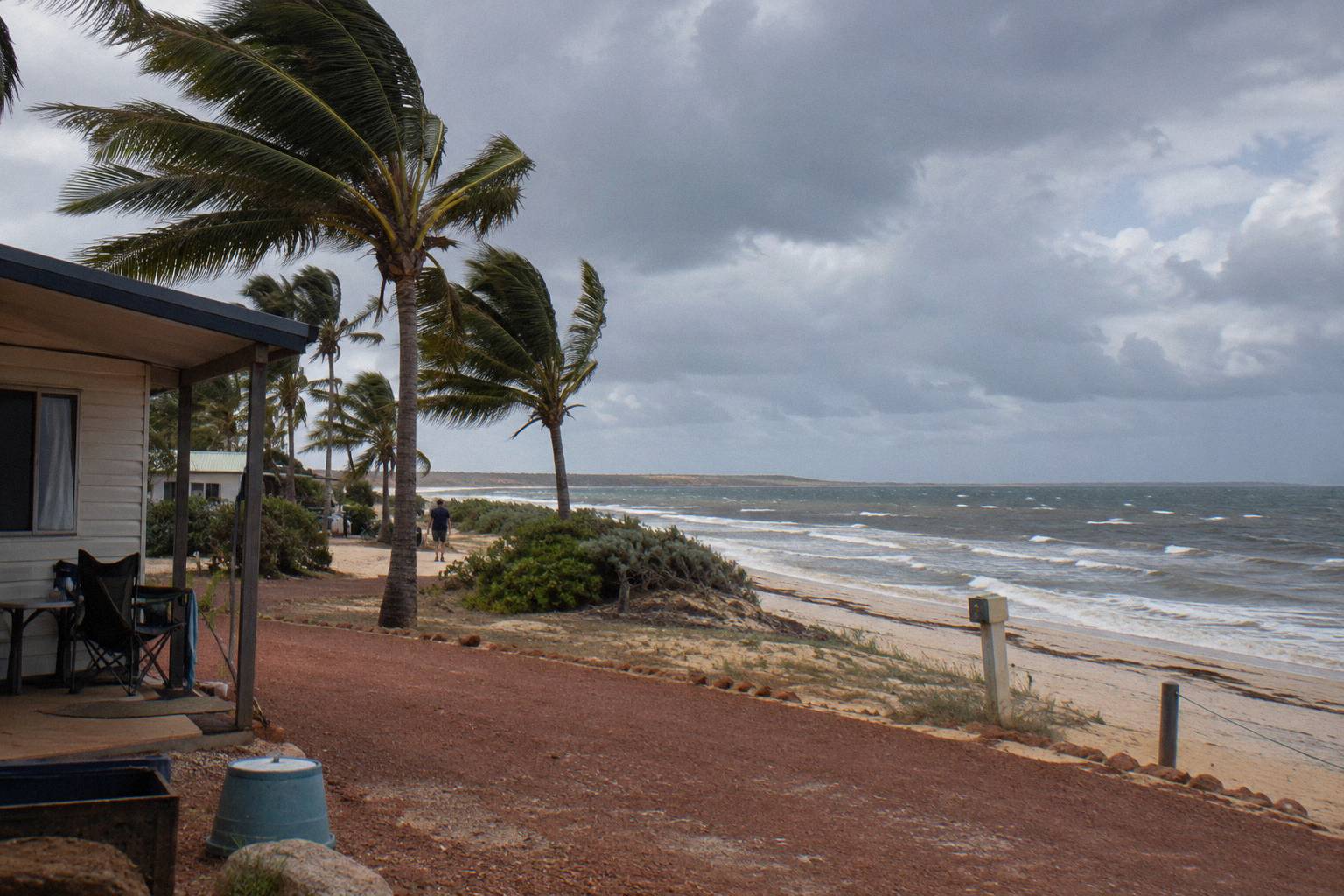
Against that trade-off, three tours cover the full route and let you pick your month rather than your stops. All three visit Exmouth and Ningaloo, all start in Perth, and the prices below are platform from-prices in US dollars per person that vary with date and group.
When Is Whale Shark Season At Ningaloo?
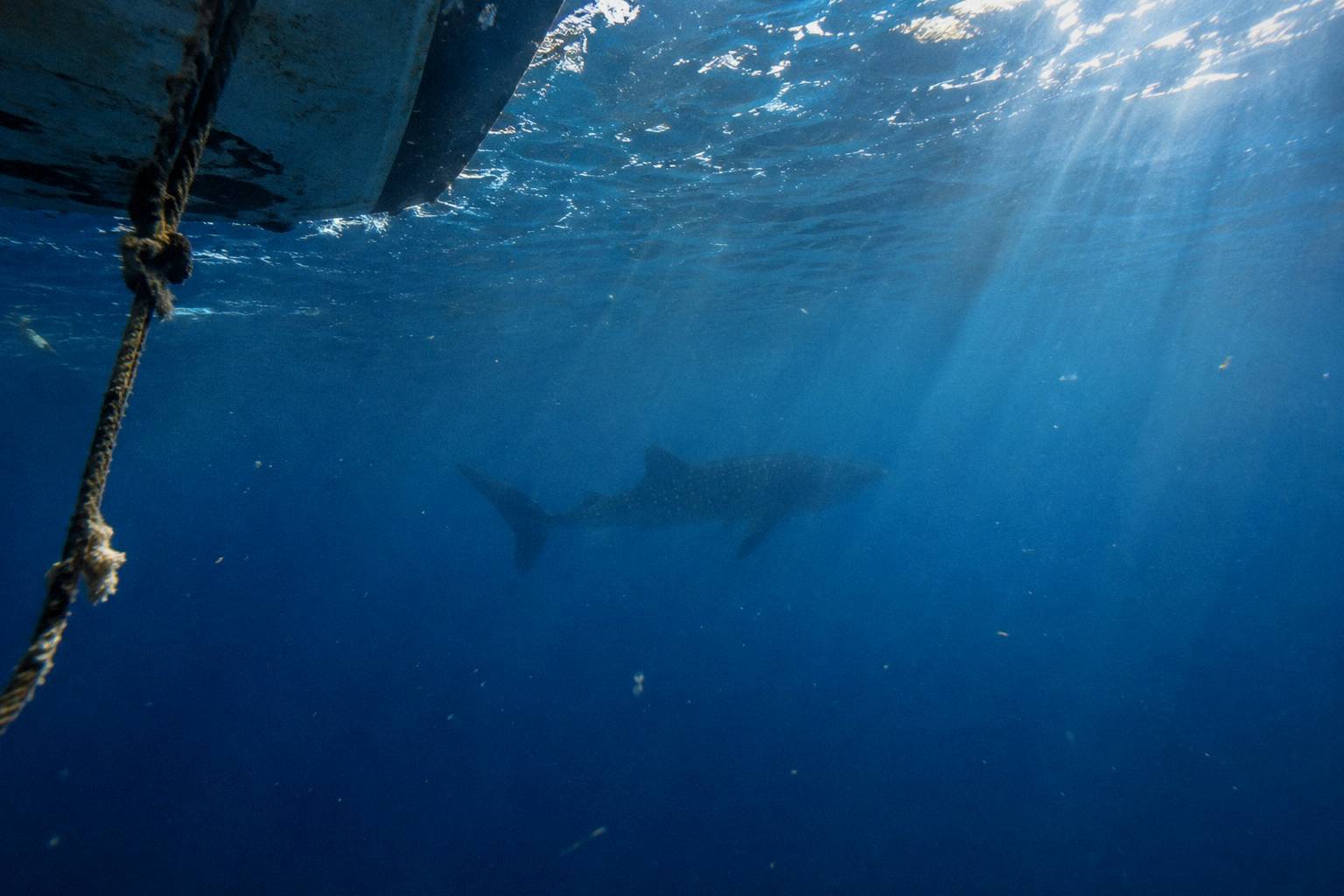
Whale sharks are typically at Ningaloo from March to July, with sightings often into August and later, and no sighting is guaranteed outside, or inside, that window. DBCA says the sharks pass between March and July each year, while Australia's Coral Coast reports tours running to the end of June in Coral Bay and to August in Exmouth, with sightings often continuing until October.
The regional tourism body also records Exmouth encounters as late as early November in both 2024 and 2025, calls the sharks most reliably seen from March to July, and states plainly that there is no guarantee outside the main season. In 2025, 41,390 people swam with whale sharks at Ningaloo. The full rule set is on the DBCA whale shark management page: swimmers stay 3 m from the head or body and 4 m from the tail, a maximum of 10 people is in the water at once, the swim is capped at 60 minutes, and no SCUBA is allowed.
One planning point matters more than the rest. The whale shark swim is a separate product run only by DBCA-licensed operators, and the tours that mention it list it as an optional extra, so check the booking page. If a March to July swim is the reason for the trip, confirm what the tour itself covers before you book the date.
The timing logic for the tours is still strong. A March departure on the 6-day Perth to Exmouth with Monkey Mia, from US$1,120 per person, lands at the start of the whale shark window with a mean maximum of 36.6 °C. A June or July departure on the same route trades that heat for mean maximums of 24.9 °C and 24.5 °C and the heart of the season, though June carries the year's highest mean rainfall at 42.9 mm.
May splits the difference well if the swim is the goal: the mean maximum drops to 28.7 °C, the sharks are typically present, and the month sits inside the official cyclone season only through its final day. Readers weighing the reef itself rather than the town can pair the numbers above with the seasonal detail in the best months for a Ningaloo reef trip.
When Are Humpback Whales In Exmouth Waters?
Three official humpback windows exist and they measure three different things: shore watching from Cape Range National Park runs May to October, humpbacks are present in Ningaloo Marine Park from June to November, and the swim season runs August to October per Australia's Coral Coast. Merged into one planning range, that means humpbacks overlap whale sharks from roughly June to July and extend the wildlife season to November.
The distinction matters because a tour that stops at lookouts and beaches can deliver the shore-watching window, while a swim needs the August to October season. The 7-day Exmouth Explorer (return to Perth), from US$1,385 per person and rated 4.9 across 345 reviews, lists Exmouth and Ningaloo among its stops, as does the 8-day small-group boutique tour (Perth to Exmouth) at from US$2,899 per person, which adds Hutt Lagoon to the same chain of stops. Neither booking page states which wildlife activities are included, so treat the windows above as what the calendar offers, not what the tour delivers.
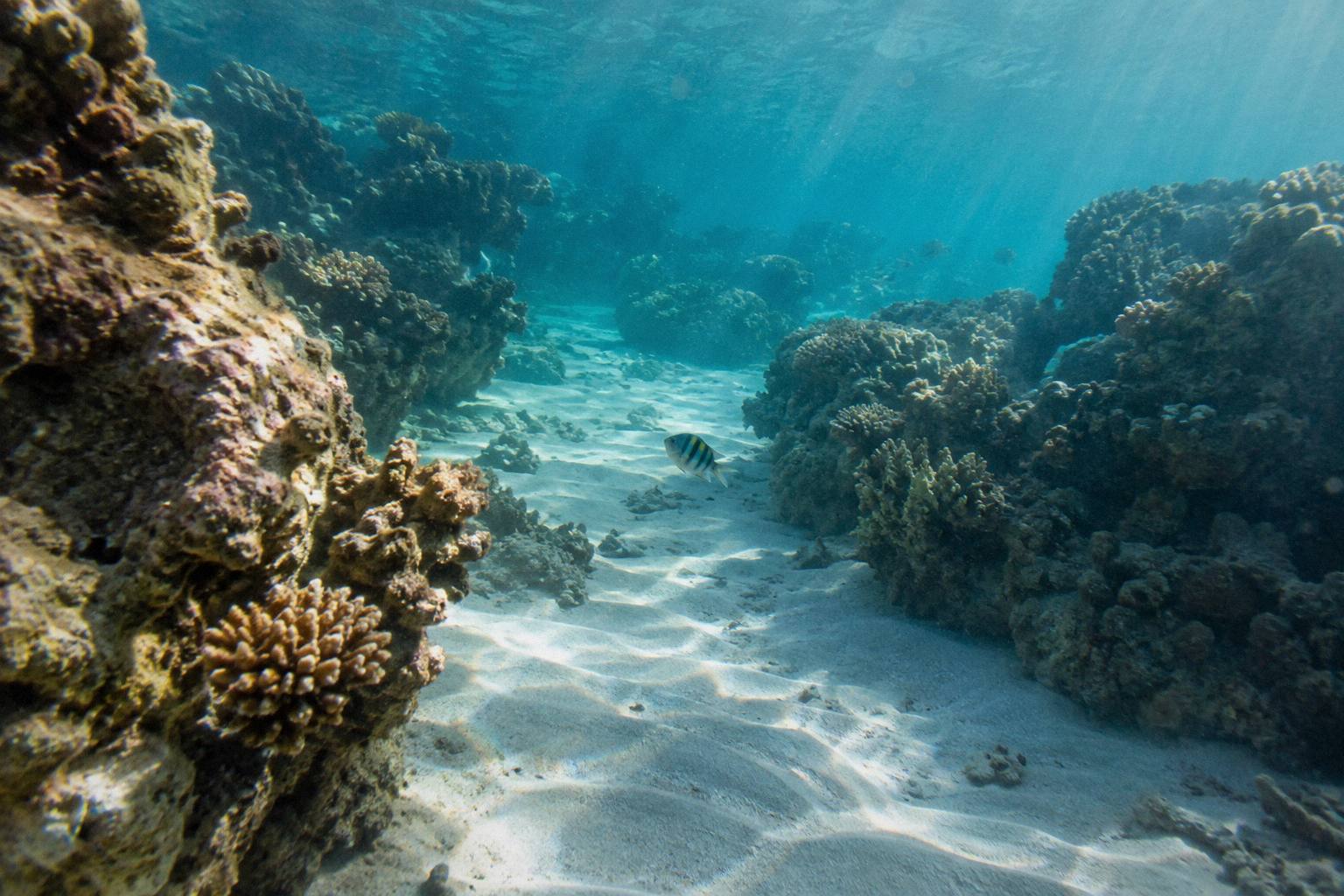
For month picking, humpbacks stretch the good season well past the whale shark peak. September and October combine mean maximums of 29.7 °C and 33.0 °C, the two driest months on the rainfall table at 2.4 mm and 1.4 mm, the tail of the swim season, and the shore-watching window. November extends the marine park presence, with a 34.6 °C mean maximum and just 1.8 mm of mean rainfall, but it also opens official cyclone season on 1 November.
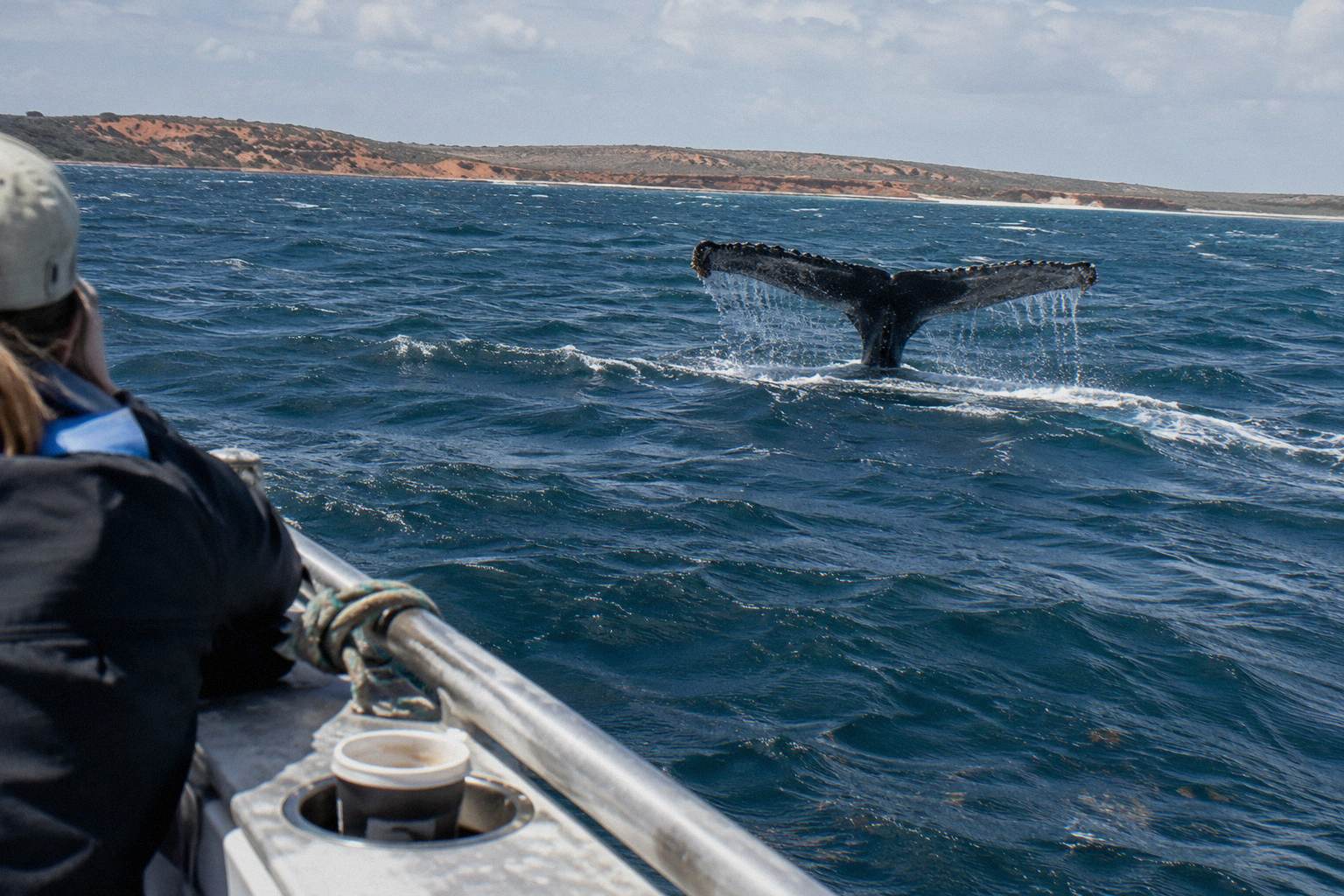
The wildlife windows stack into one calendar view. Read each row as its own official statement; the windows overlap but they are not interchangeable.
| Window | Months | What It Covers |
|---|---|---|
| Whale shark main season | March to July | DBCA season wording; Australia's Coral Coast calls this the most reliable period |
| Whale shark tours, Coral Bay | March to end of June | Tour operating window per Australia's Coral Coast |
| Whale shark tours, Exmouth | March to August | Tour operating window per Australia's Coral Coast |
| Whale shark late sightings | Often until October, Exmouth encounters as late as early November in 2024 and 2025 | No guarantee outside the main season |
| Humpback shore watching, Cape Range | May to October | Annual migration viewing from shore |
| Humpback presence, Ningaloo Marine Park | June to November | Whales in the marine park |
| Humpback swim season | August to October | In-water swim tours per Australia's Coral Coast |
| Official cyclone season | 1 November to 30 April | Cyclones can occur outside those months |
August rewards close calendar work. It is the only month in which the Exmouth whale shark tour window and the humpback swim season are open at the same time, which makes it the single month to book both a whale shark tour and a humpback swim on one trip. May sits at the other end: Cape Range lookouts open a month before humpback presence is recorded in the marine park, so they offer the earliest realistic shore sighting of the year.
October is the final month of stacking: late whale shark sightings remain possible, the swim season runs to its close, and Cape Range lookouts stay open. From November the guaranteed windows narrow to humpback presence in the marine park, and it opens official cyclone season on the 1st, the one month where humpback presence and cyclone risk coincide.
Which Months Suit Which Tour Length?
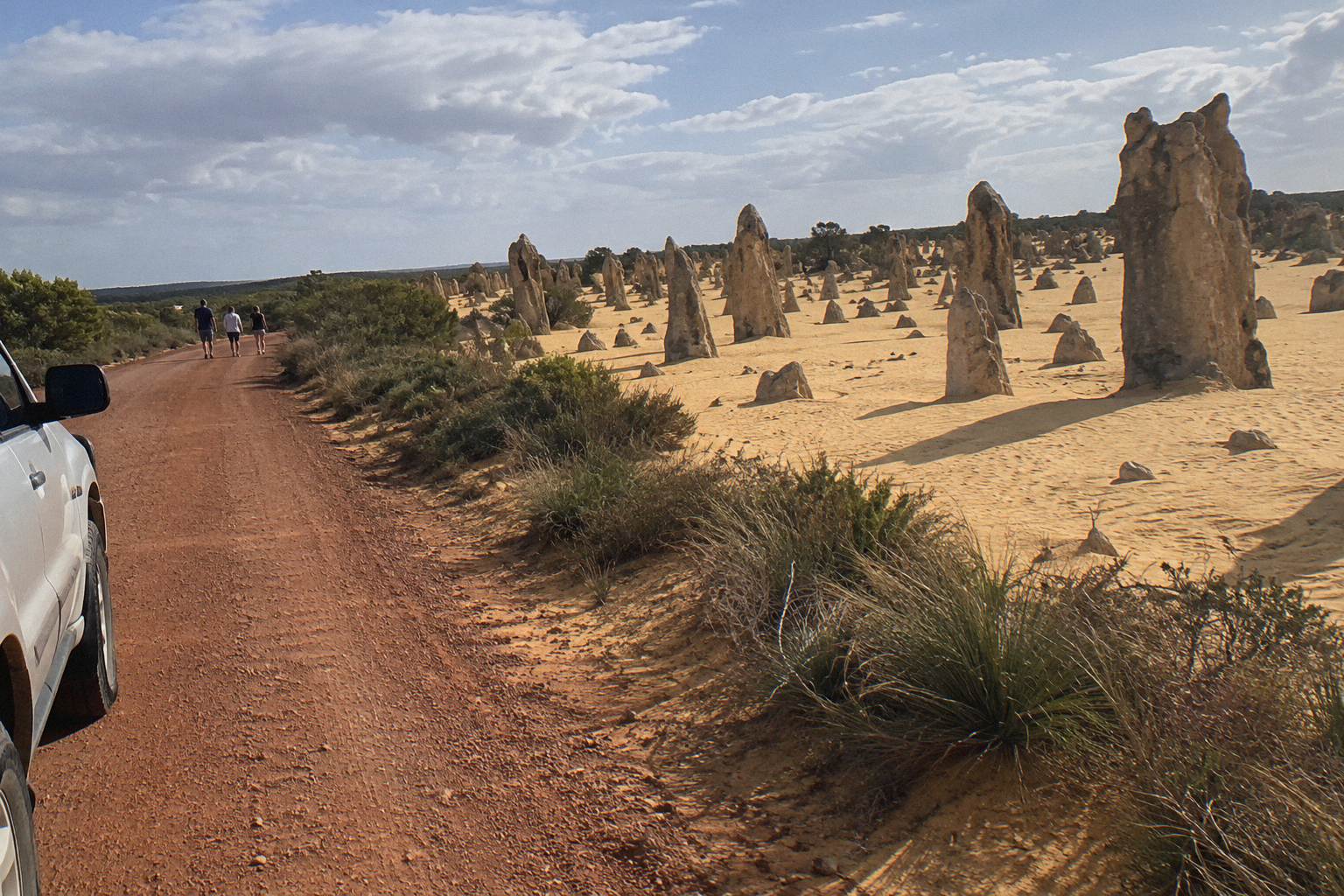
Six-day one-way tours pair naturally with the May to July core, when mean maximums run 28.7 °C down to 24.5 °C and whale sharks are typically present. Seven-day return loops suit the August to October humpback extension, and the 10-day routes reward the September to November dry months. Every lineup tour departs Perth except the 10-day Broome to Perth route, which departs Broome.
The table below lines up the eleven tours against the calendar logic. Prices are from-prices in US dollars per person and vary with date and group. Where no rating column entry appears, no rating is shown.
| Tour | Days | Direction | From Price (US$ Per Person) | Best Calendar Fit |
|---|---|---|---|---|
| 6-day one-way Coral Coaster | 6 | One way to Exmouth | US$1,326 | May to July (whale shark core, coolest days) |
| 6-day Perth to Exmouth with Monkey Mia | 6 | One way to Exmouth | US$1,120 | May to July (whale shark core, coolest days) |
| 6-day Perth to Exmouth via the Pinnacles and Shark Bay | 6 | One way to Exmouth | US$1,142 | May to July (whale shark core, coolest days) |
| 7-day Exmouth Explorer (return to Perth) | 7 | Return loop | US$1,385 | August to October (humpback swim season) |
| 7-day Perth to Exmouth and return with Monkey Mia | 7 | Return loop | US$1,256 | August to October (humpback swim season) |
| 7-day Kalbarri coastal adventure (return loop) | 7 | Return loop | US$1,205 | May to September (outside cyclone season) |
| 8-day small-group boutique tour (Perth to Exmouth) | 8 | One way to Exmouth | US$2,899 | May to July (longest cool-season run) |
| 10-day guided north tour (Perth to Exmouth) | 10 | One way to Exmouth | US$1,215 | September to November (driest months) |
| 10-day Perth to Exmouth, Karijini and return | 10 | Return loop | US$2,039 | May to September (outside cyclone season) |
| 10-day Perth to Broome via Ningaloo and Karijini | 10 | One way to Broome | US$1,958 | May to September (outside cyclone season) |
| 10-day Broome to Perth via Karijini, Ningaloo and Kalbarri | 10 | One way from Broome | US$1,835 | May to September (outside cyclone season) |
The three 10-day Karijini and Broome routes are new listings, so they carry no rating history; treat their calendar fit as planning logic rather than a tested pattern. The one-way tours end in Exmouth or Broome, and no return travel is listed: pair them with the flight or coach facts if you need a way back, and confirm the return arrangement when booking.
A worked example shows how the numbers stack together. Take the 8-day small-group boutique tour (Perth to Exmouth), from US$2,899 per person, departing in late June. The mean maximum is 24.9 °C, whale sharks are typically present, humpbacks have arrived in the marine park for their June to November stretch, the tour is outside official cyclone season, and the only cost of the month is the year's highest mean rainfall, 42.9 mm, which on a 249.1 mm annual total is modest in absolute terms. Shift the same tour to January and the mean maximum is 38.1 °C, the whale sharks are gone, and the month sits inside cyclone season.
Should You Visit Exmouth In The Wet Or The Dry Months?
Favour the dry months if you can, though the choice matters less than you might think, because Exmouth's Learmonth record carries no wet season label and rainfall is low and erratic year to year. November is the dry, hot option; June is the cool one with higher mean rainfall, so let temperature, not rainfall, guide your timing.
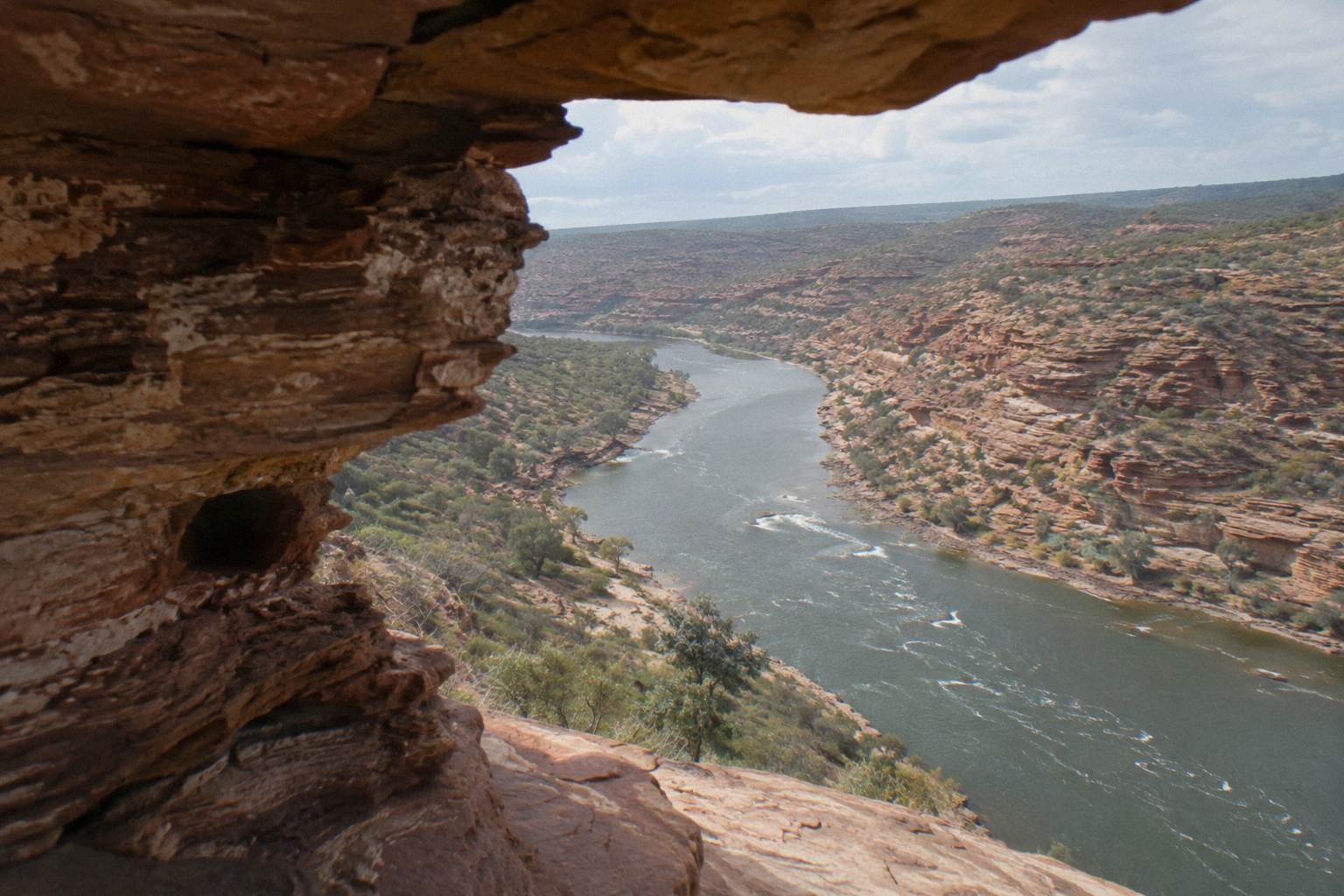
The trap is reading the rainfall column as a monsoon guide. An annual mean of 249.1 mm spread over twelve months means even the wettest month averages a small total, and the Bureau's own note is that totals swing widely between years. What the rainfall column does correlate with is the cyclone half-year: November through March combines every mean maximum above 34 °C with the official season from 1 November to 30 April.
The cooler, higher-rainfall months still win for most tour priorities. June and July mean maximums of 24.9 °C and 24.5 °C sit with the whale shark core season and the start of the humpback presence, so a marginally wetter month buys the year's best overall package. For travellers set on heat avoidance above all, the planning guide to the full Perth to Exmouth drive covers how the timing decision feeds into the wider trip, and the day-by-day itinerary breakdown shows where each month's daylight and temperatures land along the route.
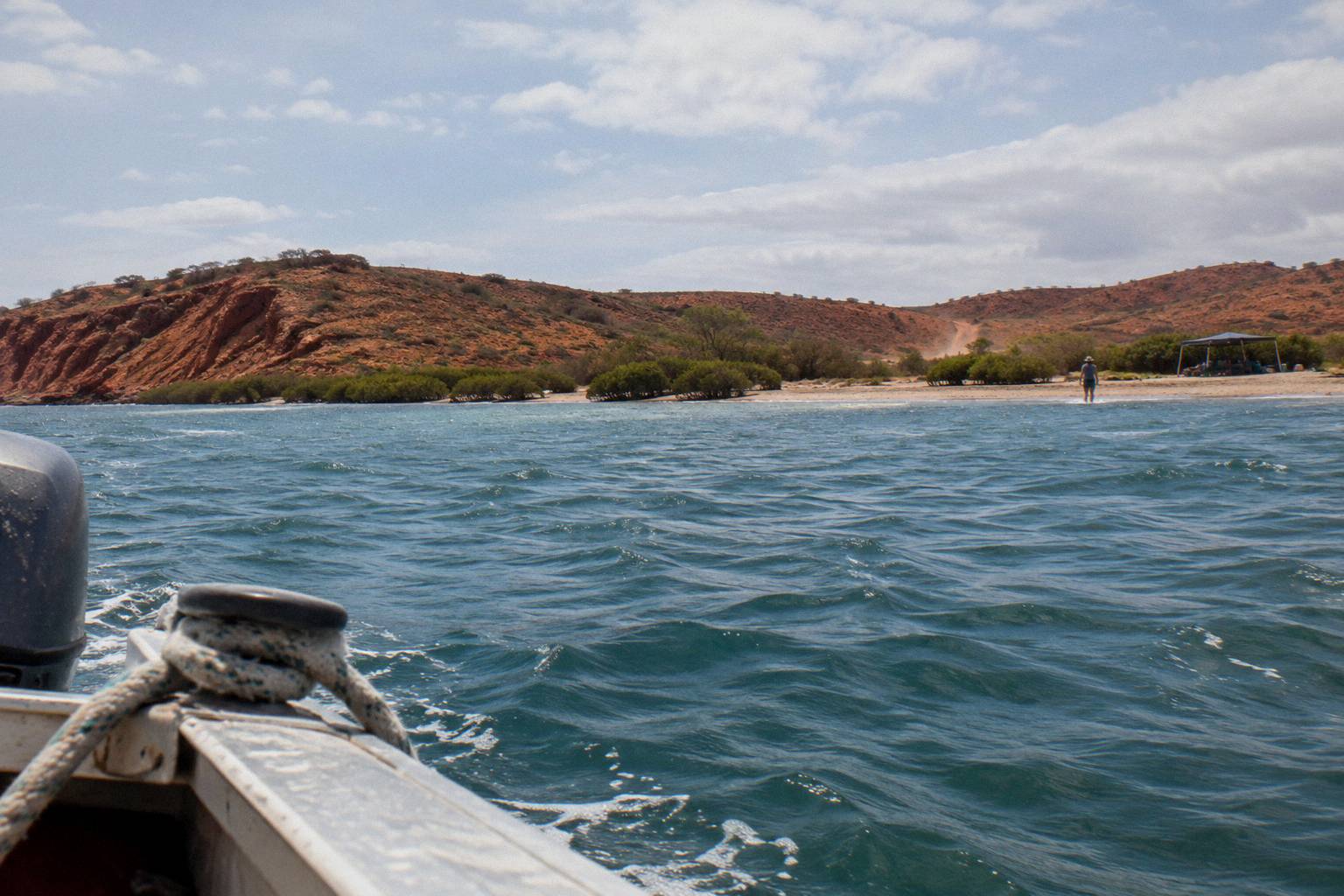
For the featured route on Perth To Exmouth Tour, the 6-day one-way Coral Coaster from US$1,326 per person stops at the Pinnacles, Kalbarri, Shark Bay and Monkey Mia, Coral Bay and Exmouth with Ningaloo, a chain that touches both the gulf and reef sides of the peninsula. Check availability against your chosen month, and read the wildlife calendars above before committing to a date. More route-level timing context sits in the guide to Ningaloo reef tours from Perth.
Common Mistakes When Picking A Month For Exmouth
The three repeated mistakes are booking November to April without weighing cyclone season, assuming the whale shark swim is part of every tour, and chasing one wildlife window while ignoring the heat column. Each is avoidable with the same three checks: read the climate table, read the season wording on the official pages, and confirm on the booking page what the tour actually includes.
Mistake one: treating the dry months as automatically the best months. October and November are the driest on the record, but November's mean maximum is 34.6 °C and the official cyclone season opens on 1 November. A traveller who books November for the 1.8 mm mean rainfall and forgets the season window has optimised one column and ignored two.
Mistake two: assuming the swim is bundled. Only DBCA-licensed operators may run commercial whale shark tours, and the tours that name the swim list it as an optional activity at extra cost, not an inclusion. Confirm before booking the date, or you may find the March to July window arrived without you in the water.
Mistake three: merging the three humpback windows. Shore watching runs May to October, marine park presence runs June to November, and the swim season runs August to October. Booking a June trip expecting a humpback swim, or a December trip expecting any humpbacks, misreads all three.
A fourth, quieter error is trusting a single month's weather story. The Bureau's averages are long-term means, rainfall is erratic year to year, and wildlife sightings are never guaranteed in any month. The right use of the tables is to tilt the odds, not to promise an outcome, and the DBCA alerts page plus the booking page are the final checks before any date.
Common Questions About Visiting Exmouth
What Is The Best Month To Visit Exmouth?
For the broadest package, June or July: mean maximums of 24.9 °C and 24.5 °C, the core whale shark season of typically March to July, and humpbacks present in the marine park from June. For heat plus humpback swims, August to October. For the driest months, September to November, accepting mean maximums from 29.7 °C to 34.6 °C.
Is Exmouth Too Hot In Summer?
By the Bureau of Meteorology's Learmonth Airport averages, January's mean maximum is 38.1 °C, February's is 37.6 °C and December's is 37.1 °C. Those are means, not peak days. If heat is a deciding factor, the May to October half of the year keeps every mean maximum at 33 °C or below.
When Is Cyclone Season In Exmouth?
Official cyclone season runs 1 November to 30 April, and the Bureau of Meteorology describes the coast between Broome and Exmouth as Australia's most cyclone-prone area, though cyclones can occur outside those months. Severe Tropical Cyclone Narelle reached Category 5 strength and crossed the coast south of Coral Bay in March 2026. Check the DBCA alerts page and the booking page before travelling in the season window.
Can You See Whale Sharks Outside March To July?
DBCA describes the main season as between March and July each year, and Australia's Coral Coast says sightings often continue until October, with Exmouth encounters as late as early November in 2024 and 2025. There is no guarantee outside the main season, and no sighting is ever guaranteed.
When Can You Swim With Humpback Whales At Exmouth?
The humpback swim season runs August to October per Australia's Coral Coast. Shore watching from Cape Range National Park runs May to October, and humpbacks are present in Ningaloo Marine Park from June to November. Swim tours are separate licensed-operator products; the multi-day tour inclusions list no humpback swim, so confirm when booking whether one can be added.
Do Tours From Perth Run All Year?
The lineup covers 11 tours from 6 to 10 days, from US$1,120 per person for the 6-day Perth to Exmouth with Monkey Mia to US$2,899 per person for the 8-day small-group boutique tour. Five tours offer free cancellation up to 30 days before start and four up to 6 full days before, while two list no cancellation terms, so confirm those and your chosen date when booking, and weigh the November to April cyclone window when choosing it.
Whichever month wins, the tour band below carries the three routes that cover the full Perth to Exmouth chain, from the 6-day one-way Coral Coaster through the 7-day Exmouth Explorer return loop to the 8-day small-group boutique tour. Match the departure to the wildlife window that matters, confirm what the booking page includes, and the calendar does the rest of the work.